POPMENU INDUSTRY REPORT
SEO for Restaurants: An operator's guide to free website traffic
What is SEO for restaurants and why should you care? Search engine optimization (SEO) is a complicated topic and is often oversimplified as the act of getting your website to the top listing on Google — but, that's not the full story. More accurately, SEO is a collection of best practices that increase the likelihood that your website shows up when hungry guests search for "restaurants near me" or "best pizza in Chicago." SEO is an ongoing process with many moving parts. This guide will focus on the most important steps you can take to optimize your website and make it easy for guests for find you.
Why It Matters
Does SEO really matter for restaurants?
Higher search engine rankings ultimately translate to more sales for your business. With technology playing such a foundational role in our day-to-day lives, everyone's attention is limited — including your guests'. Every opportunity you have to get in front of a user (earn an impression) is invaluable for your business. The more people see your restaurant, the better your odds of converting those impressions into orders, and the more opportunities you have to turn first-time visitors into lifelong fans.
Of course, there are several ways to generate impressions for your restaurant, including social media, paid advertising, and influencer deals, but SEO is so powerful because:
It's free.
It easily provides the largest audience for your business.
Again, it's free.
Let's dig a little deeper into some of the fundamentals every restaurant should know to improve their search rankings.
Ranking Factors
How can your restaurant's website sit at or near the top of search rankings?
There's no guaranteed way to land your restaurant the #1 spot on Google — anyone promising otherwise isn't being honest. Search results are influenced by countless factors, and quick fixes rarely work long-term. Instead, restaurants should use ongoing best practices that steadily improve visibility and drive more traffic over time. In fact, Google has been known to penalize websites that take advantage of exploits.
Is your restaurant set up for SEO success?
Your website should be working for you, not against you. Our Restaurant SEO Checklist makes it easy to ensure your site has all the right features and that your team is taking the most effective steps — every week and every month — to drive more traffic and boost your rankings. With this checklist, you can:
- Check off essential SEO features your website provider should offer.
- Track ongoing tasks to keep your restaurant climbing in search results.
Click the button, confirm you want to make a copy, and get your interactive checklist now!
Get your copy!Local SEO
Local SEO for restaurants
Local SEO is the practice of optimizing your website to show up in front of guests who are looking for something nearby. This is particularly important for restaurants since a guest likely won't eat somewhere they can't reach in a reasonable amount of time. There are five major factors to keep in mind when it comes to optimizing your website for local search.
Make it clear where and how guests can find you.
This is as easy as providing your address, hours of operation, phone number, and "next steps" (like reservation or online ordering buttons) on your website. You should place this info at the footer of your website, include it on a "Contact Us" page, and store it on your Google Business Profile. Speaking of which…
YOUR INFO
Keep your Google Business Profile up to date.
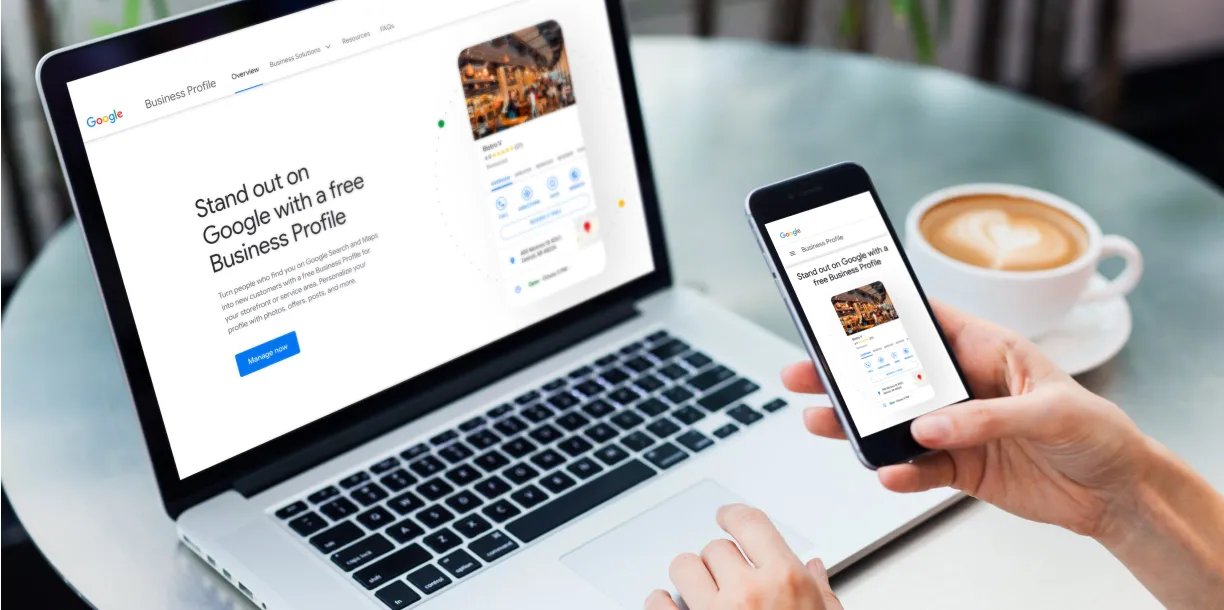
When you search for a localized topic like "Brunch in Houston", the first thing Google serves up is a block, or "Local Pack" of business listings with a map that shows their locations. This information is pulled from these businesses' Google Business Profiles, making it one of the most important aspects of maintaining effective Local SEO. This is where key information about your business is kept so users can easily take the next action they need to learn more about your restaurant.
GOOGLE BUSINESS PROFILE
Tony's Pizza
214 W Randolph St, Chicago, IL 60606
✓ Synced 2 hours ago
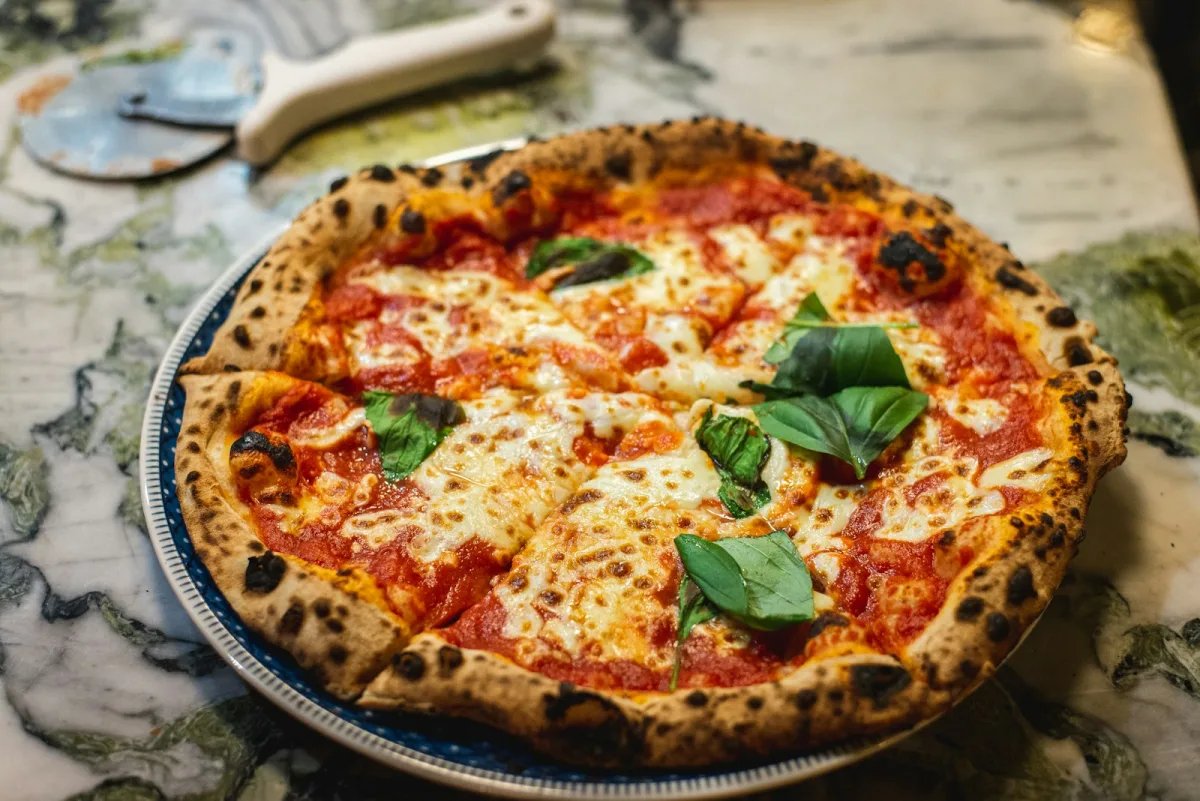
Integrate your website with your Google Business Profile.
We strongly recommend integrating your website with your Google Business Profile, that way you only have to update information about your restaurant in one place. For example, if your restaurant sets up a new phone system and has a new number, your website will automatically share that change to your Google Business Profile. Relevant information is instrumental to solid performance on Google, so finding ways to streamline any updates is a powerful tool for busy restaurant operators.
GOOGLE BUSINESS PROFILE
Tony's Pizza
214 W Randolph St, Chicago, IL 60606
🔗 Synced with your website
Maintain local citations.
Similar to maintaining an accurate Google Business Profile, you'll want to make sure your restaurant's listings on other sites (i.e., Yelp, social media, Tripadvisor, etc.) are accurate as well. Google will cross-reference these pages to confirm the reliability of the information on your website. Semrush offers a helpful listing management tool you can use to check your restaurant's details across the web.
CITATIONS
Encourage and reply to reviews.
Reviews — wherever they may be on the web — are a major consideration for Google in search engine rankings. New reviews placed on your Google Business Profile, third-party review sites, and your own website all provide search engines valuable content that can affect your restaurant's placement on search pages. Additionally, responding to reviews shows Google that your business is active and engaged with customers (and it doesn't hurt that it lets customers know you're carefully considering their feedback).
GOOGLE BUSINESS PROFILE
Tony's Pizza
214 W Randolph St, Chicago, IL 60606

Best deep dish I’ve had outside of the classic spots — and they replied to my review within the day!

Ordered directly from their site, super easy, and the pizza showed up exactly as pictured on the menu.
On-Site SEO
On-site SEO best practices for restaurants
Your own website providers the greatest opportunity to influence where you show up on search pages. At its core, SEO success depends on user experience — if visitors find your website engaging and informative, Google is more likely to rank it higher. The good news? Many of these best practices should already be covered by your website provider (assuming you're not still using the site your cousin built in 2007).
What to look for from a website provider
Before focusing on content, make sure your website is built for performance. A great restaurant site doesn't just look good — it needs to be fast, secure, and easy to navigate for both guests and search engines. A quality website provider should have these essentials built in because cutting corners on SEO will cost you in lost traffic and sales.
- Fast-loading pages: If your site is slow, guests (and Google) will move on. Every second counts.
- Clear, descriptive URLs: Your pages should be easy to read and understand. Instead of random characters, use URLs like yourrestaurant.com/menu to boost SEO.
- Optimized photos: Images should load quickly and adjust to any device without losing quality.
- Built-in security: Your URL should start with "https" (not "http") to show Google and visitors that your site is safe. Look for the lock icon next to your web address.
- Accessibility matters: Ensure everyone can use your site. That means including alt-text for images, avoiding PDF menus, and following accessibility best practices. See the Website Accessibility Guidelines for more details.
- Mobile-friendly design: Most guests will visit your site on their phone. Make sure it's easy to navigate on any screen size.
Bottom line: A strong technical foundation = better rankings, more traffic, and more orders. Invest in a site that's built to win on search engines.
Keywords
The importance of keywords on your restaurant's website
Keywords are words or phrases that match what people type into the search bar and are a crucial part of how Google connects your restaurant to potential guests. For example, if someone searches "Malaysian street food," Google is going to look for websites that include that phrase.
But choosing the right keywords is only half the battle — how you use them matters just as much. Avoid stuffing keywords randomly into your website; instead, place them naturally in key areas like your homepage intro, about page, and menu descriptions.
Take Phat Eatery, for example. Their homepage features phrases like "Malaysian street food," "James Beard Award Semifinalist," and names of their most popular dishes — exact terms a hungry customer might search for. By weaving these keywords into their content, they boost their chances of showing up in front of customers with an intention to place an order.
Off-Site SEO
Off-site SEO for restaurants: 3 key strategies
While on-site SEO is critical, off-site SEO — the actions you take outside your website — also plays a role in improving your rankings. These strategies help increase visibility, drive traffic, and build credibility with search engines.
Link Building
LISTED ON
The more reputable websites link to yours, the better. Make sure your restaurant is listed on platforms like Yelp, Tripadvisor, OpenTable, and DoorDash — and always include a link to your website.
Marketing Engagement
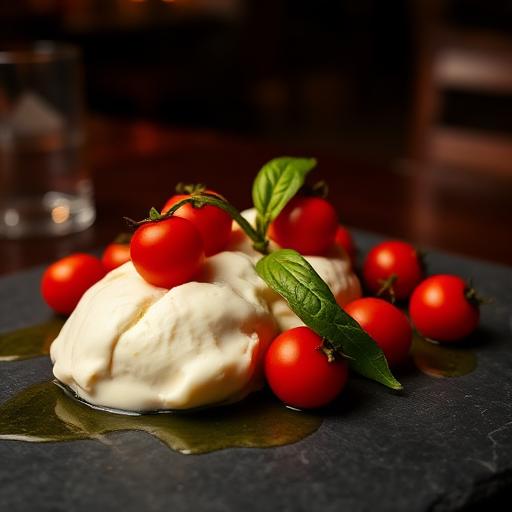
Our Burrata & Heirloom Tomato is back — stop by today!
Your Restaurant
While marketing doesn't directly impact rankings, consistent activity through social media, email, and text messages drives more traffic to your site, which helps! Regularly engage with your customers and include links to your website whenever possible.
Influencer Partnerships

Collaborating with local influencers is a great way to reach an audience that's more likely to visit your restaurant. A well-placed post can boost brand awareness, generate search interest, and drive more visits to your site.
While off-site SEO takes time, these efforts increase your restaurant's visibility, drive organic traffic, and improve your rankings over time.
The SERP
Understanding the search results page
Let's take a closer look at the object of our attention: the search results page. Put yourself in a guest's hungry shoes for a moment as we explore the different ways putting the tips above into practice can help you show up on Google. Pretend you're in Atlanta and searching online for a place to have shrimp and grits. Here's how all those results will show up:
1. The local pack
The local pack is the module that includes a map and the Google Business Profile listings of nearby restaurants. In addition to being close to the location a user is searching for (i.e., near me, in Atlanta, etc.), restaurants can influence how likely they are to show up in results through quality Google Business Profile management. We can look at South City Kitchen as an example.
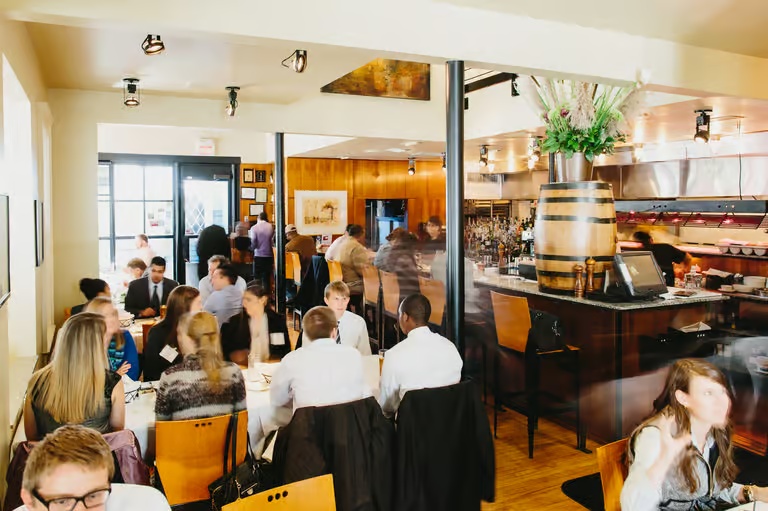
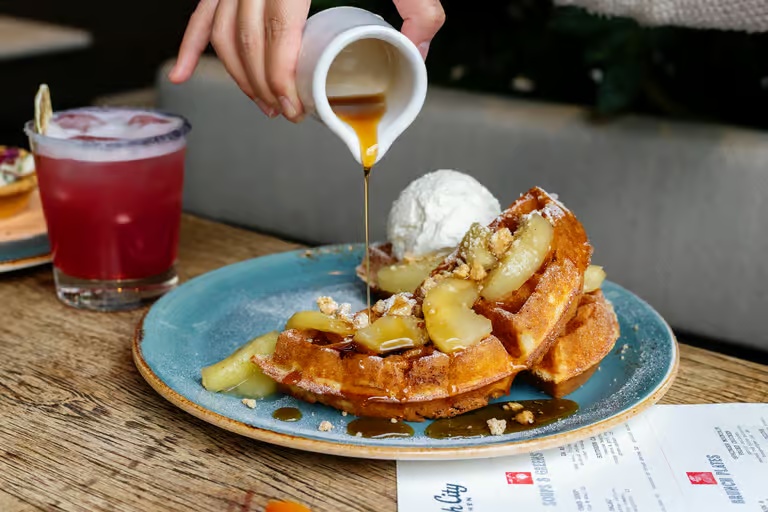
Notice how South City provides information a potential guest might need to make a dining decision: photos, online ordering and reservation buttons to help users easily take their next step, an up-to-date menu, plenty of reviews from customers, basic information like their address, hours of operation, phone number, and website, and an active online presence with posts on their Google Business Profile and popular social media platforms. All of this can contribute to whether or not Google chooses to list a restaurant in the local pack.
GOOGLE BUSINESS PROFILE
South City Kitchen Midtown
1144 Crescent Ave NE, Atlanta, GA
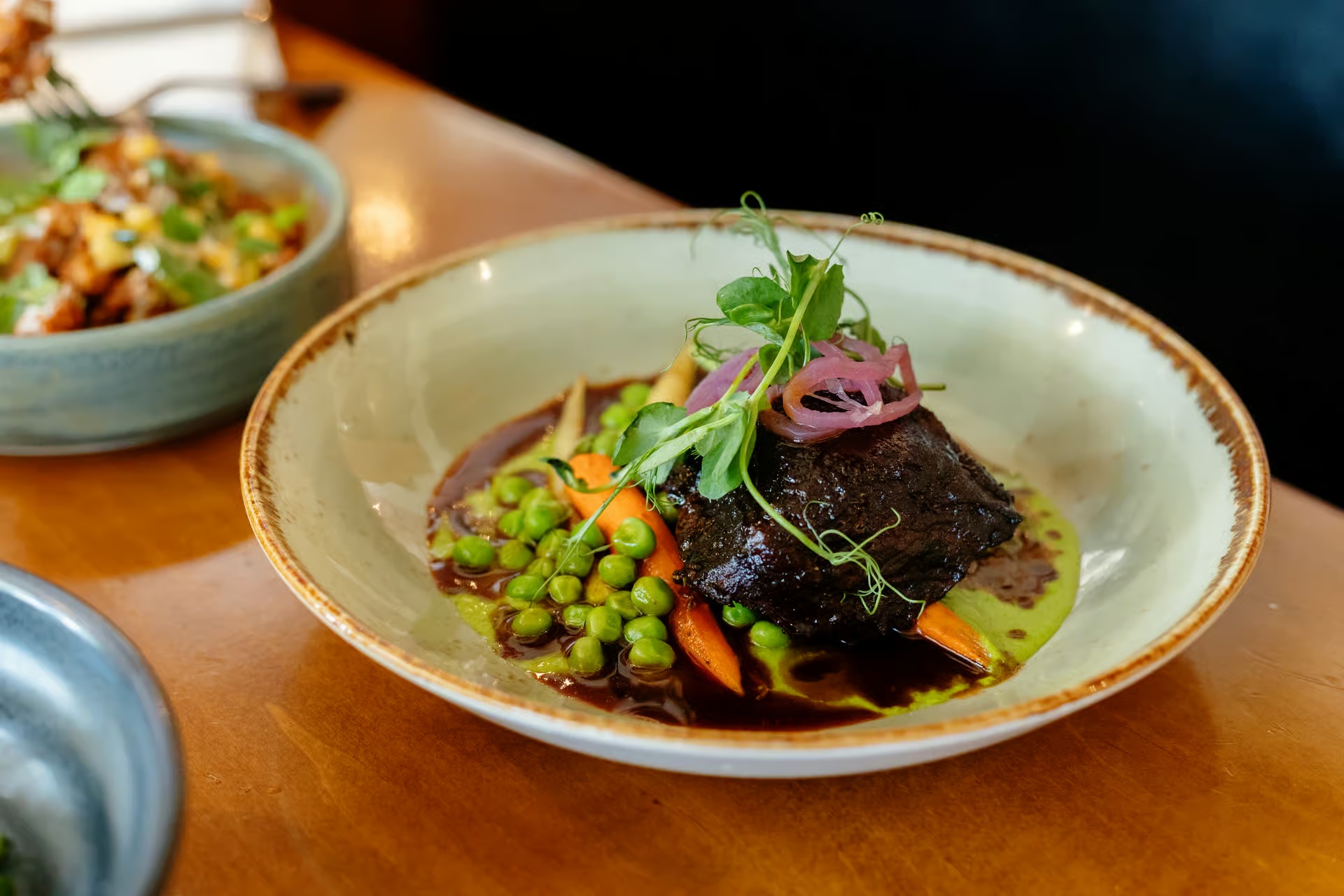
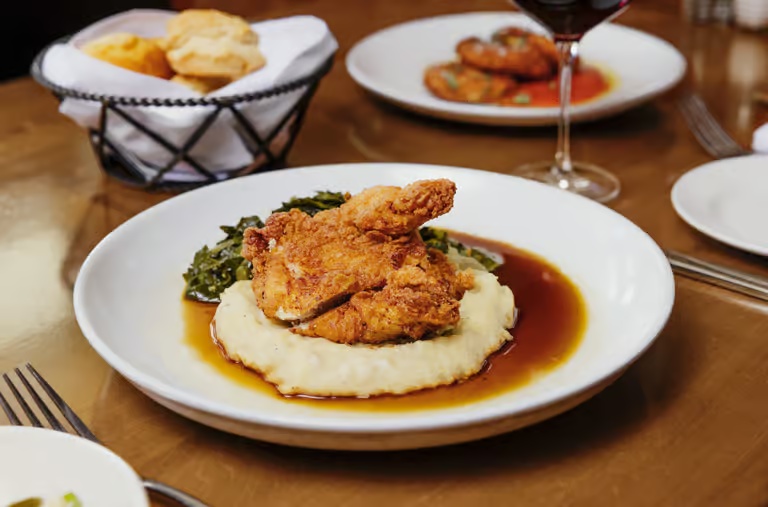

The food was excellent, arguably the best Shrimp & Grits that I’ve ever had.

The shrimp and grits sauce and smoked sausage work perfectly with the grits.
2. Third-party listings
Even though they're not actual restaurant listings, third-party websites like Tripadvisor and Yelp are present on this page. Because restaurants like By George and Thumbs Up Diner own their profiles and keep them up-to-date, they can indirectly show up on the first page of Google, even without their own website being listed.
THE BEST Shrimp and Grits in Atlanta (Updated February…)
Atlanta Shrimp and Grits · 1. By George restaurant and bar. (521). Closed now · 2. Thumbs Up Diner. (414). Closed now · 3. Steamhouse Lounge.
THE BEST 10 Shrimp and Grits Near Atlanta, GA
By George Restaurant & Bar — 4.5 (312 reviews) · Thumbs Up Diner — 4.3 (890 reviews) · Southern, Breakfast & Brunch.
3. Offers and events
Consistently posting to social media and your Google Business Profile is another way to show up in search results outside of your website. Because these restaurants posted about events and promotions on Instagram, Facebook, and Google, they were able to land a spot in front of prospective customers.
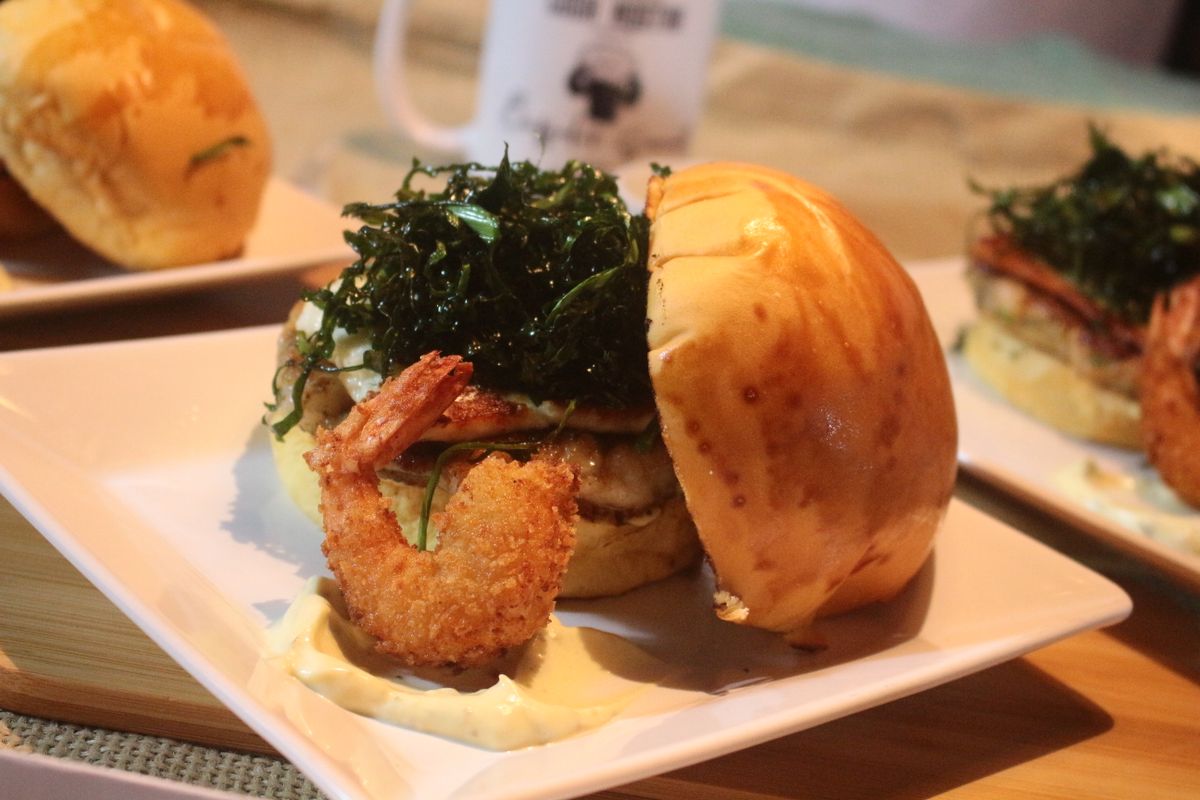
Fish Fry Fridays at Silk – Hosted by Casual Call!
$5 Fish Sandwiches, all night.
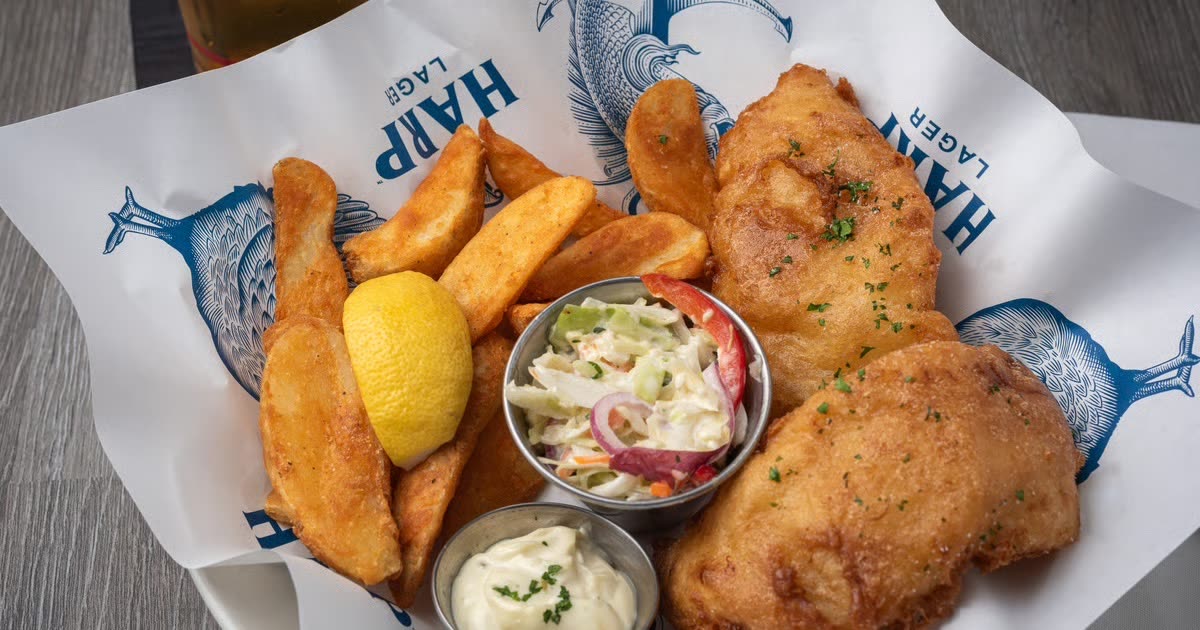
Buy One Fish & Chips, Get the Second HALF OFF!
*Valid for dine-in only.
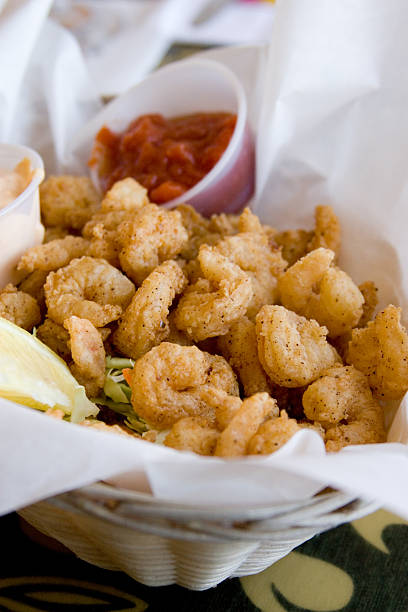
Fried Shrimp Basket for Friday lunch special
#vickerys #friedshrimp
4. Restaurant listings and menus
Enough about the modules on this page, let's talk about the actual restaurant listings. Breakfast at Barneys is the first organic listing that appears, and it's easy to see why when clicking into their site. Rather than default to a screenshot or PDF to showcase their food, Barneys is using a dynamic menu. But why is that important?
Menus are data-rich pages, packed full of keywords that can direct traffic to your website. If users have specific cravings (say for shrimp and grits), a menu that clearly communicates to Google that it has that item has a better chance at showing up. Dynamic menus do a lot of work to tell search engines every possible detail about your restaurant, including:
- Unique pages for every item on your menu, providing specific landing pages for specific searches
- Clear, descriptive URLs
- High-quality dish photos
- Full, text descriptions of the dish
- Buttons to place an online order or make a reservation
- Reviews from customers (also chock-full of keywords)
Queen City Shrimp & Grits – Breakfast Restaurant in Atlanta, GA
Queen City Shrimp & Grits. $20.50. Blackened shrimp sautéed with chicken sausage, fresh corn, cherry tomato, spinach, and seafood truffle butter sauce…
Open now · Closes 2:00 PM

The Queen City Shrimp & Grits is worth the drive alone — perfectly blackened and the truffle butter sauce is incredible.

Ordered directly from their site in under a minute. Best breakfast spot in Atlanta, hands down.
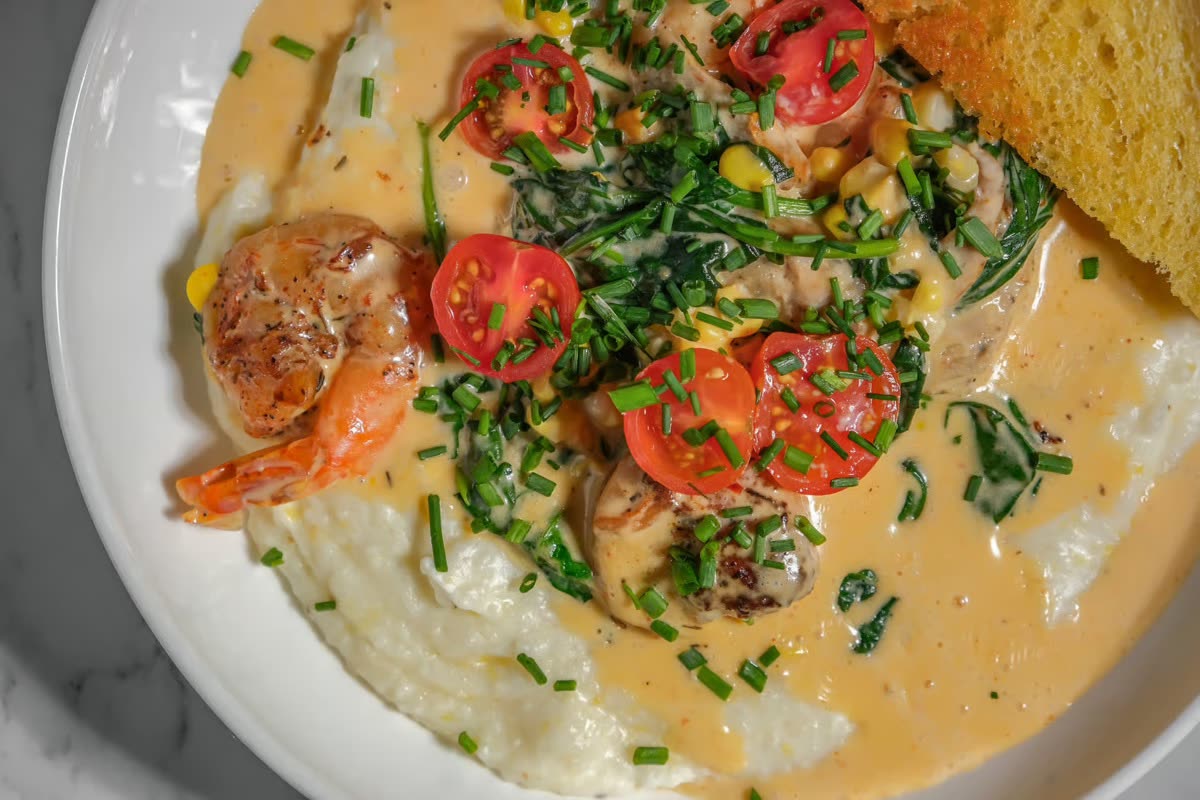
Queen City Shrimp & Grits
$20.50
Blackened shrimp sautéed with chicken sausage, fresh corn, cherry tomato, spinach, and seafood truffle butter sauce.
Order Now★★★★★ 5.0 (54 reviews)
All of these benefits come from a single dish. Multiply that by dozens of items across a menu with hundreds of reviews, and it's clear why dynamic menus are the most effective and scalable solution to grow organic traffic for your restaurant.
Still not convinced? Try Googling terms similar to "Shrimp and grits in Atlanta" and see how many of the organic restaurant listings lead to dish specific pages with the features we listed above. It quickly becomes clear that dynamic menus are not just a nice-to-have, they are a necessary best practice for modern restaurants looking to increase business.
Performance
How to measure your restaurant's search engine performance
Tracking your SEO success doesn't have to be complicated. While tools like Google Analytics can provide deep insights into organic traffic and keyword performance, most restaurant owners don't have the time (or technical expertise) to dig into that data. That's why it's best to work with a website provider that includes built-in performance tracking and SEO best practices.
Here are key metrics to monitor:
Track how many visitors come to your site and what percentage come from Google searches. Keep in mind that traffic fluctuates seasonally, so look at trends over time.
By tracking these insights, you can refine your SEO strategy and turn more visitors into paying customers.TRAFFIC SOURCES
Understand how long visitors stay on your site and which devices they use (mobile, desktop, tablet). If you offer online ordering, a longer session time is ideal, while a restaurant focused on reservations may want quicker site interactions.
By tracking these insights, you can refine your SEO strategy and turn more visitors into paying customers.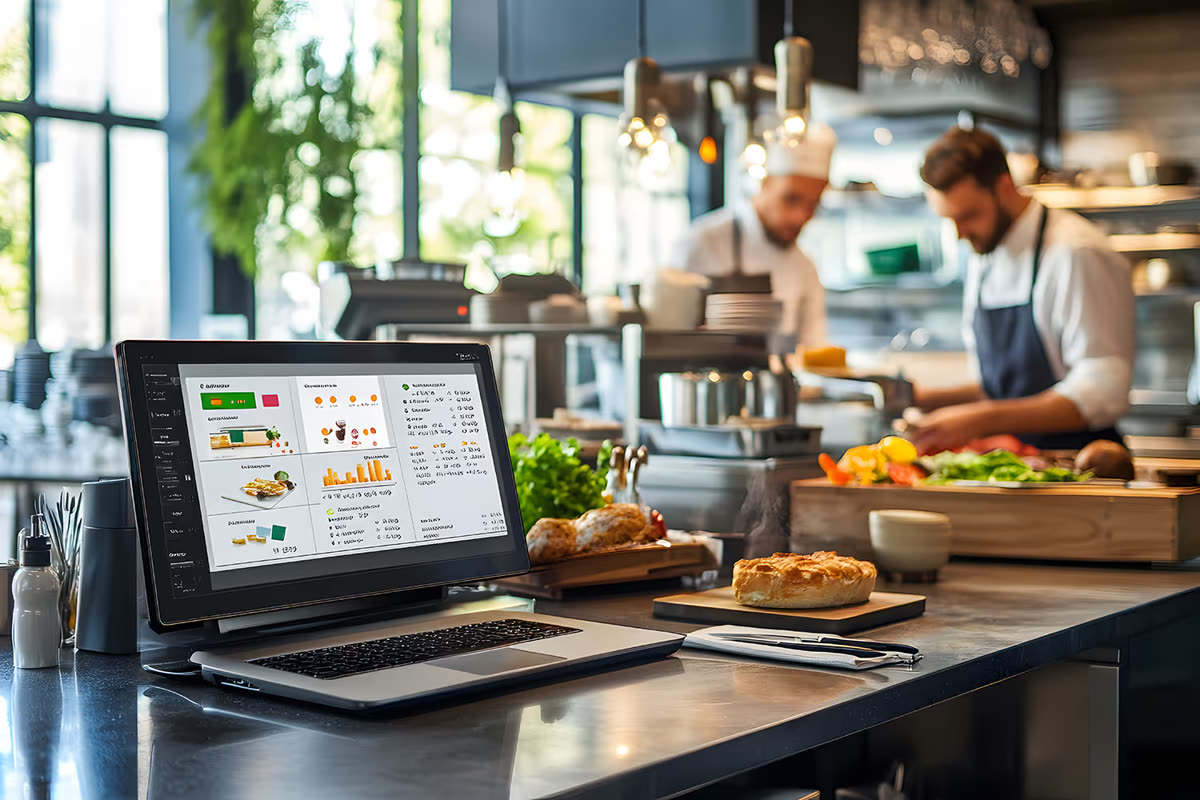
Where do visitors go next? Are they clicking your phone number, heading to your reservation platform, or checking out your Instagram? These insights help you understand what information guests are seeking when they visit your website so you can optimize your site layout for better user experience and conversions.
By tracking these insights, you can refine your SEO strategy and turn more visitors into paying customers.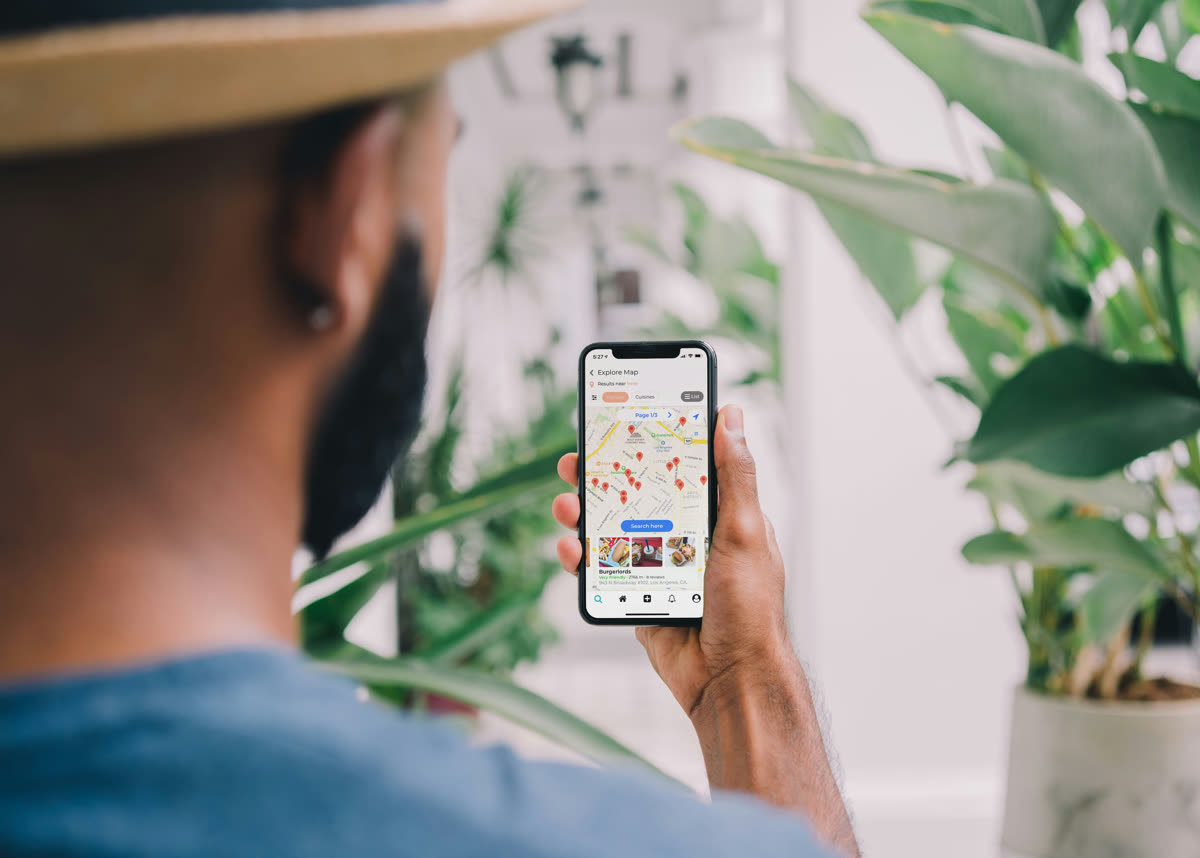
Wrapping Up
Now for the easy part
Now that you have the key steps to optimize your restaurant's website for search engines, it's time to put them into action. The good news? You don't have to do it all manually. The right restaurant platform can automate the heavy lifting and make everything else as easy as possible. (Cough, cough… Popmenu does this best.)
Want to see how your restaurant can rank higher on Google and attract more guests? Schedule a call with one of our experts — we'll show you how.
About Popmenu
As a leader in restaurant technology, Popmenu is on a mission to make profitable growth easy for all restaurants. Digital marketing, online ordering, and on-premise technologies headline a powerful product suite infused with artificial intelligence (AI), automation, and deep data on guest preferences. The company consolidates tools needed to engage guests, serving as a digital control center for more than 10,000 independent restaurants and hospitality groups in the US, UK, and Canada. For more information, visit popmenu.com.