

POPMENU INDUSTRY REPORT
Advanced Restaurant Marketing for Beginners
Consistent marketing is key to driving more guests through the door — but who has the time when you’re juggling multiple hats and priorities? And if you don’t know what’s working in the first place, coming up with the right game plan can feel, well, overwhelming.
So how do you get smarter with your marketing without working overtime? We’re glad you asked.
Introduction
Get smarter, not busier.
Making your marketing sizzle doesn’t mean spending more of your time or more of your budget. It mostly comes down to working smarter with the tools and data you already have.

You’re not alone if marketing feels like a guessing game. Popmenu research found that most operators aren’t sure their efforts are paying off:
of operators say they’re unsure what to do next when marketing isn’t working
are only somewhat confident in their marketing efforts
are not confident in their marketing at all
The good news? Spicing up your marketing really only requires nailing three key ingredients — think of them as your secret sauce. From guest engagement to operational adjustments, data drives everything… or at least it should.
New to marketing?: Just getting started? Download our Beginner’s Guide to Restaurant Digital Marketing for all the basics before you dig into the advanced tactics below.
The secret sauce: three key ingredients
Ingredient 01
Be Intentional With Data
Capture more than just an order
While earning revenue from guests is priority number one — you do run a business, after all — it’s not the only thing you should aim to capture from them. The value of information is powerful, especially when it comes to marketing.
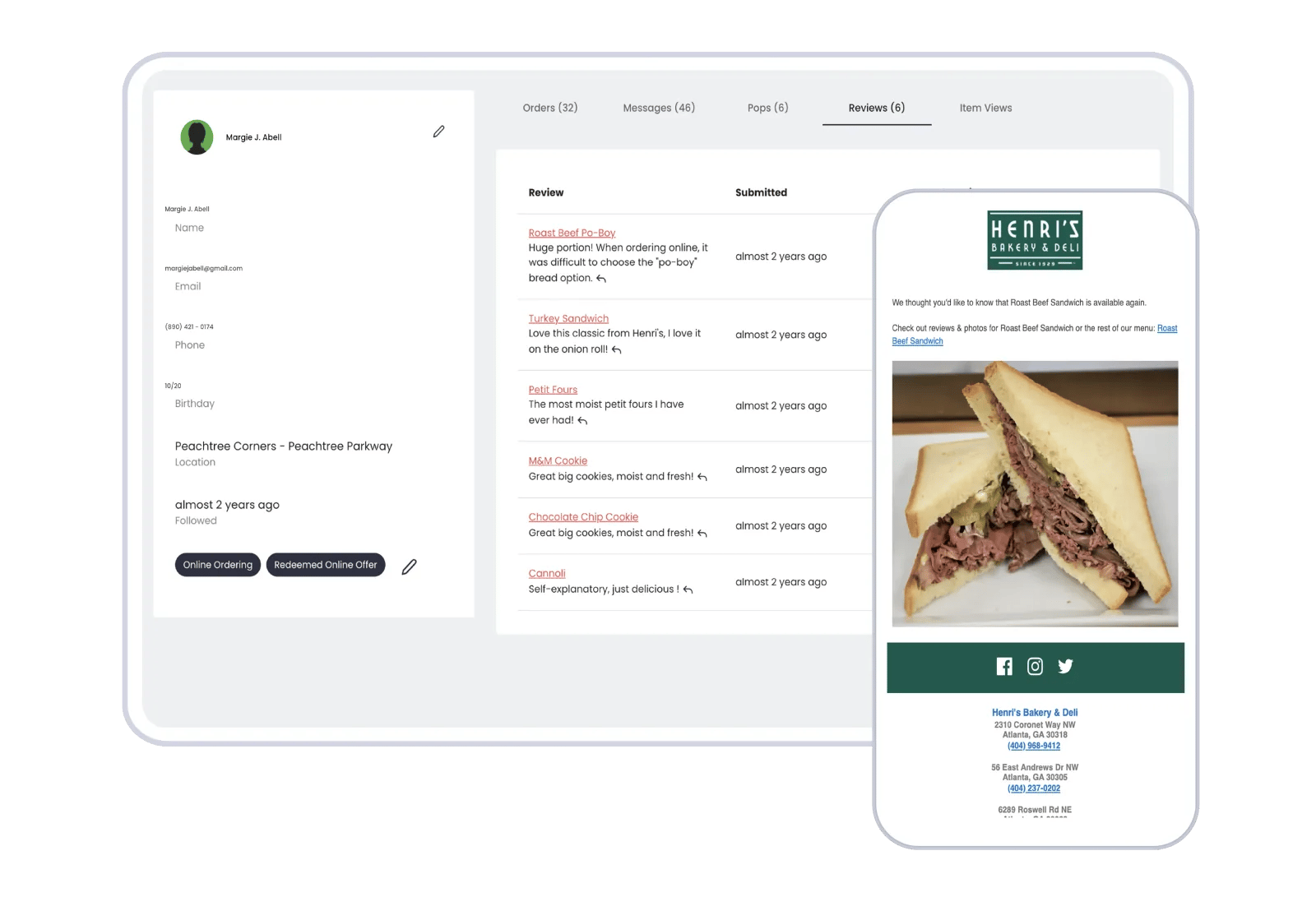
Having guest data not only enables you to stay in contact with emails, announcements and promotions, it also lets you get more personalized with what you’re sending. By knowing a guest’s favorite dishes (like the roast beef sandwich), dietary preferences and even the special occasions they celebrate, you can tailor your messaging and offers to them.
“Data collection” isn’t as scary as it sounds
We know “data collection” can sound like a scary concept, but there are a number of ways you can easily capture critical info:
Ask for a review
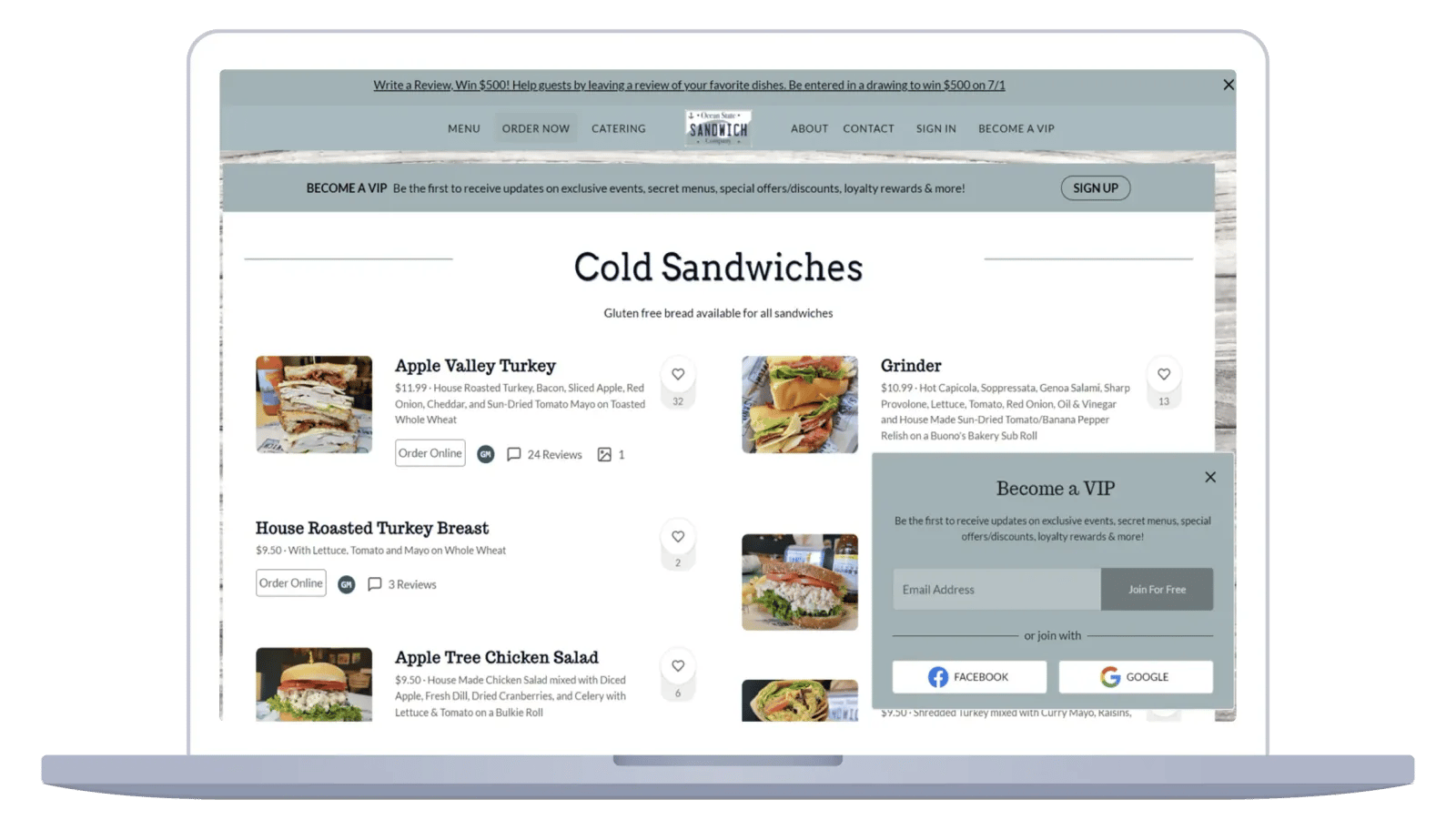
Encourage guests to submit a review for a chance to win $500. When they leave a review, they leave their email, too!
Capture a like or an order
Similar to reviews, capture guest info when they like an individual dish or place an online order.
Turn them into a VIP
Exclusivity goes a long way — entice guests into becoming a VIP follower to receive special offers, secret menus and more.
Psst… all this data capture can be done automatically, but more on that later. The best part? Guests don’t mind sharing — no, really.
of guests are willing to provide their email to receive info on special offers, events and updates from their favorite restaurants
Client spotlight
The proof is in the… pizza

In 18 months, GIOIA sent 49 emails (39 of them automatically) to one guest — resulting in 101 orders and $5,700+ in revenue.
emails sent to one guest in 18 months (39 automatically)
orders placed by that single guest
in revenue from one guest
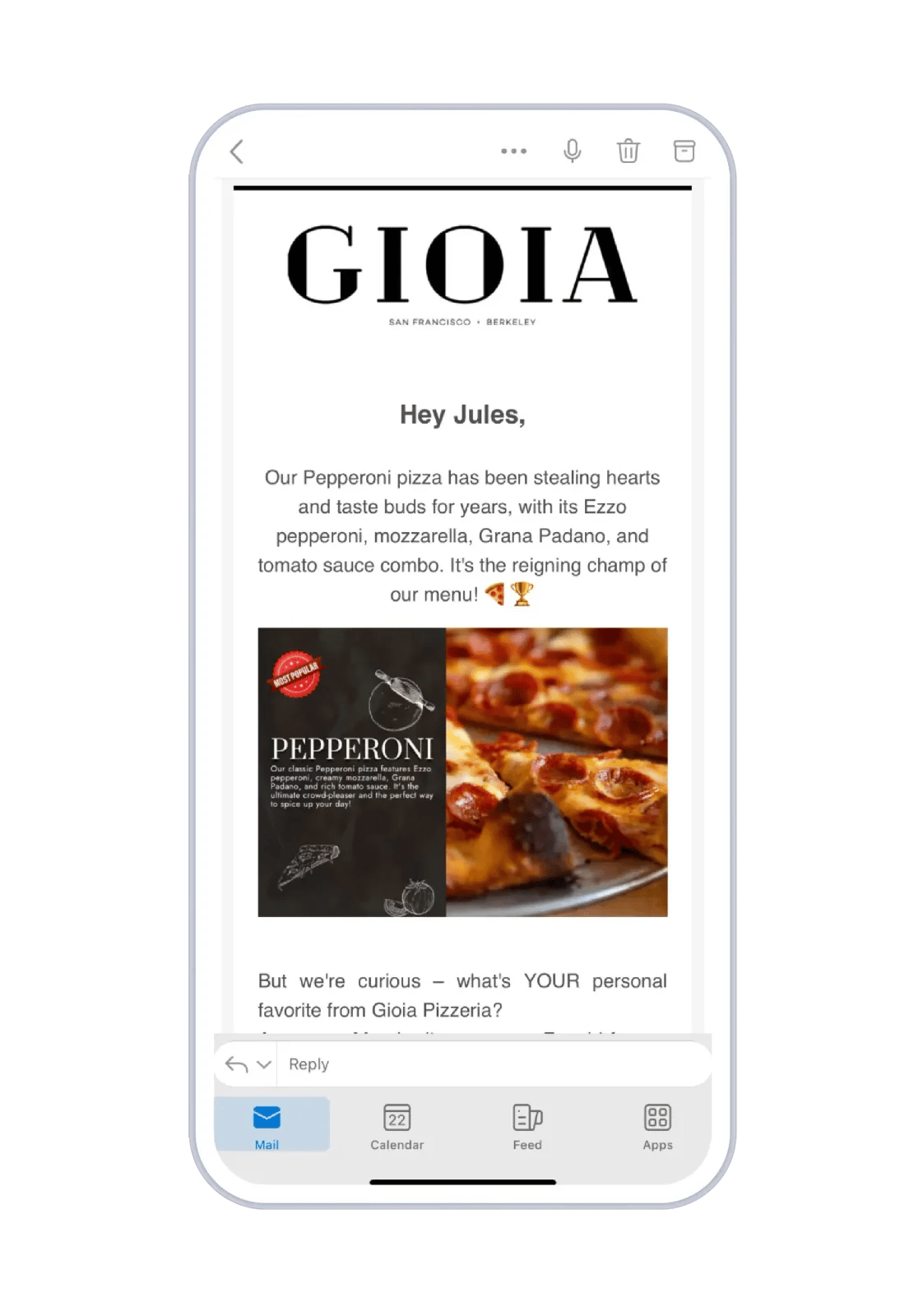
GIOIA keeps guests hungry for more with automated and customized messages — like the personalized note nudging a guest back to their favorite pepperoni pie.
[Popmenu] lets us fill out the details on our customers so we can fine-tune our messaging. It helps us learn about our client base. You actually have information on the things people love and the things people can’t stop ordering.

When we look at data holistically, we can better track how every touchpoint and guest interaction translates to orders placed and revenue earned. Does a 5% offer on a slow day drive more orders? What about an email inviting guests to make a reservation for happy hour? When we can answer questions like these, we can replicate what’s working and iterate on what isn’t.
Data that drives decisions
While the term “data” may seem as dry as an overcooked Thanksgiving turkey, it’s actually the secret ingredient that adds flavor to your marketing. It holds the answer to the burning question: “Is what I’m doing actually working?” In our Beginner’s Guide, we covered the different ways to measure channels like website, email, social, ordering and POS. Now it’s time to bring all that delicious data together.
of operators aren’t using data to guide their marketing
Online Ordering Overview
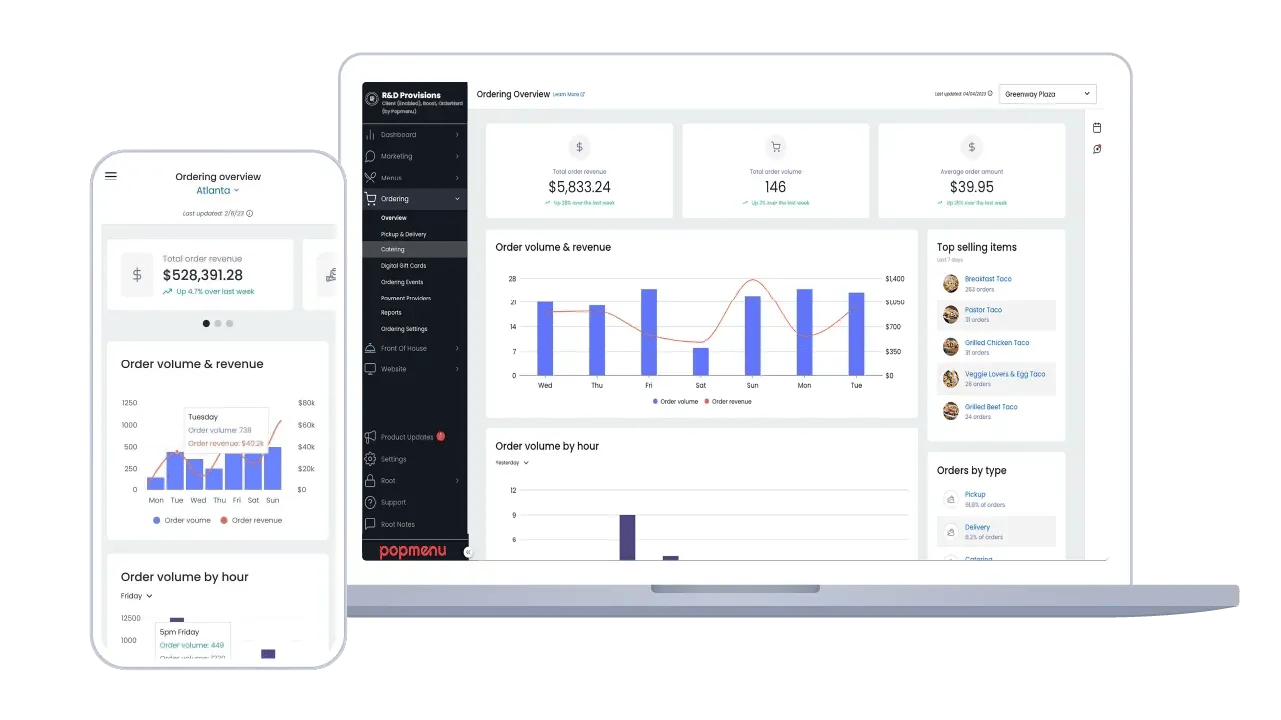
First, askWhich dishes are fan favorites?
ThenHow can we highlight those dishes to entice people to order?
First, askWhat days and hours are the slowest ordering times?
ThenHow can we drive more revenue during those times, or adjust other operating costs when we’re slower (like reducing the number of staff scheduled)?
Marketing Overview
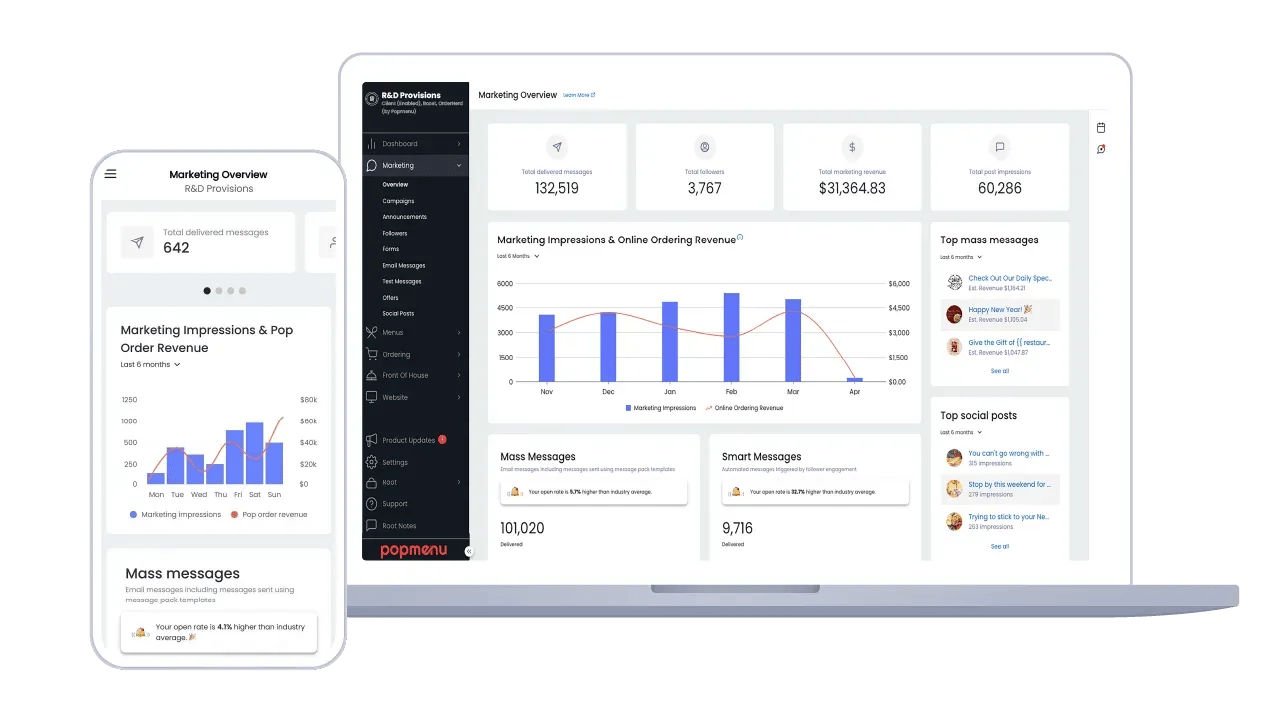
First, askDo I know how much of my revenue can be attributed to marketing?
ThenIf not, what tools do you need to start connecting marketing activities to revenue?
First, askHow does marketing influence online ordering?
ThenIdentify what made those messages stand out and experiment with future efforts.
Shameless plug: Popmenu provides this data and makes it easy to read.
Client spotlight
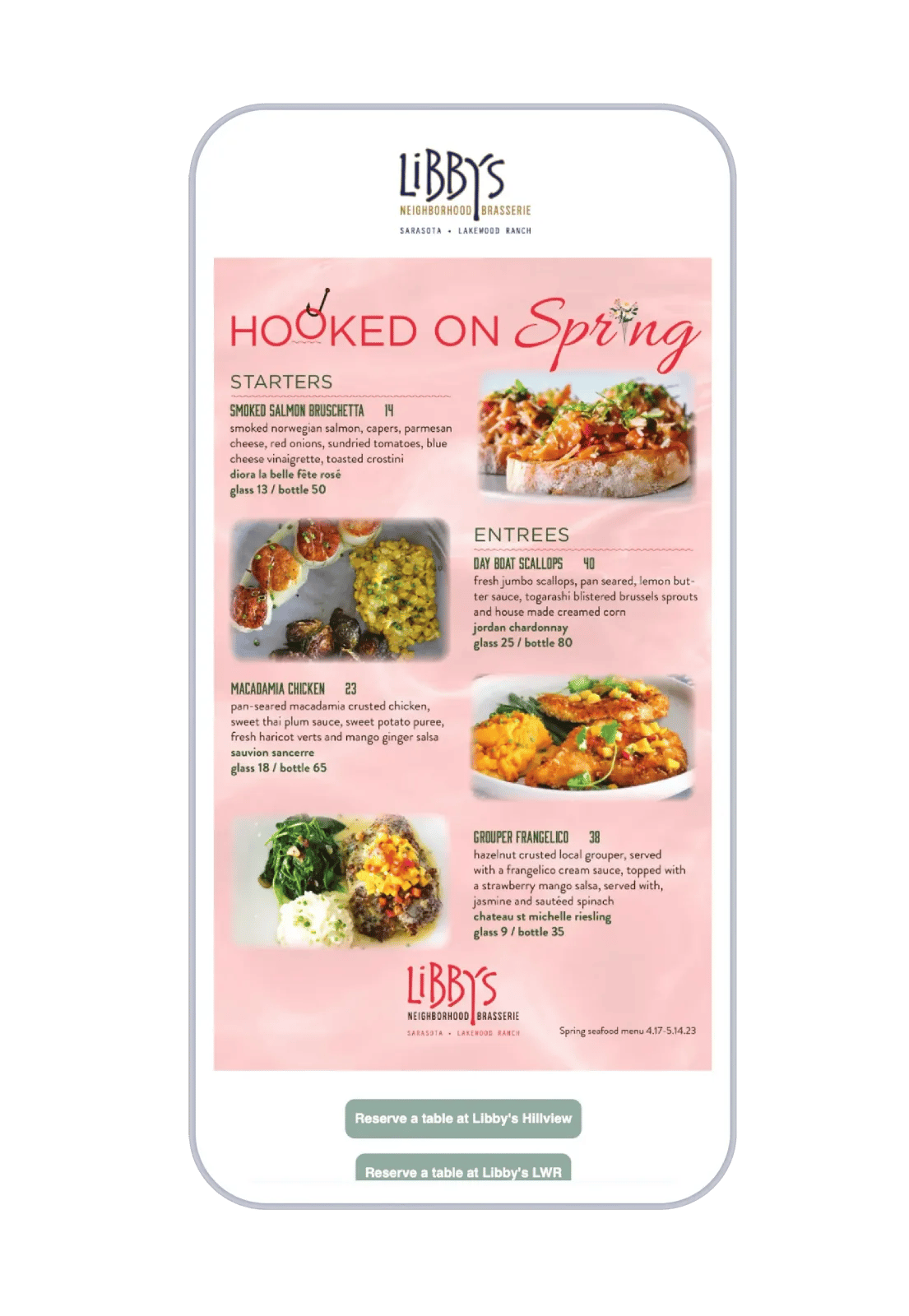
3 ways Libby’s Neighborhood Brasserie used data to drive business
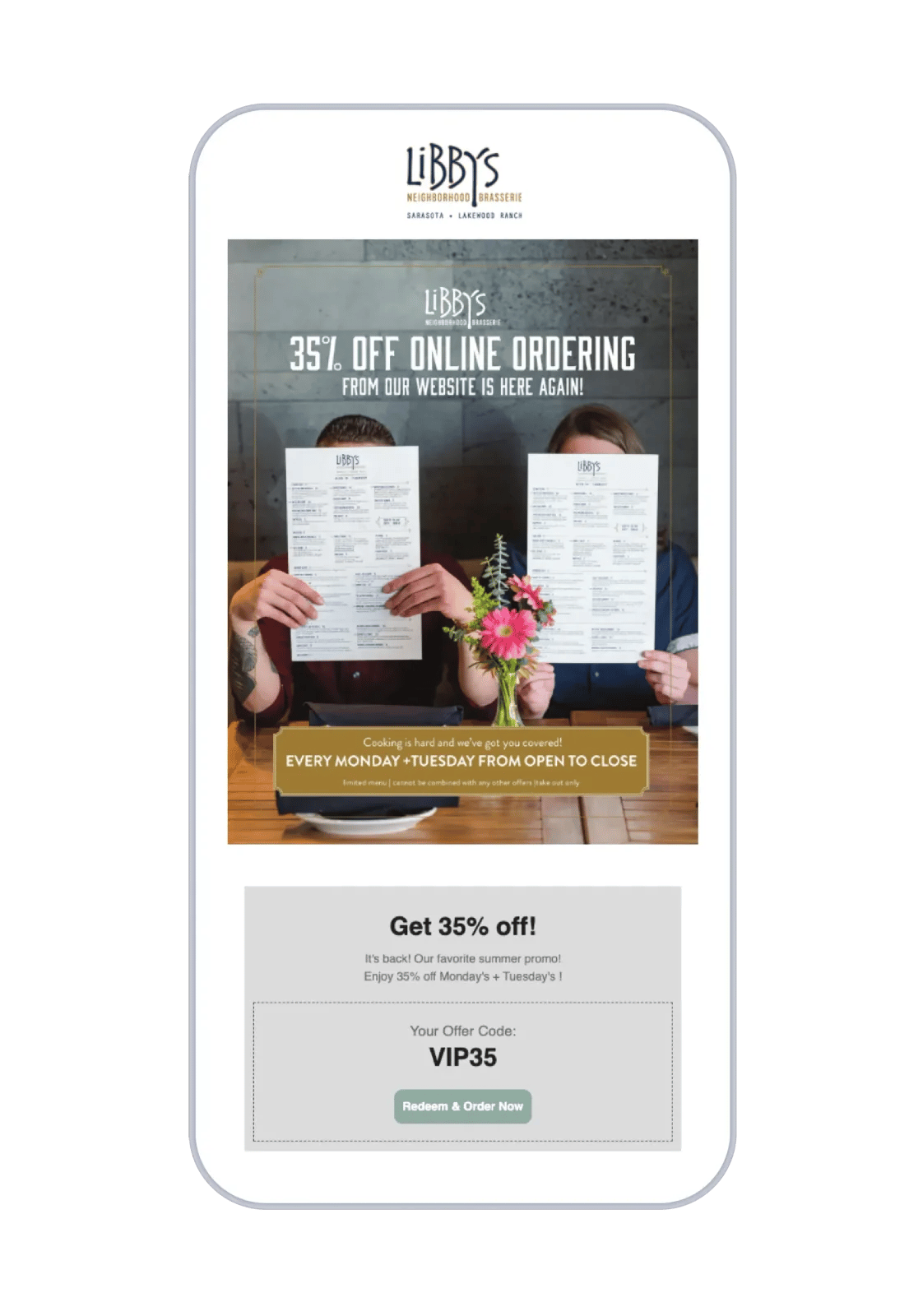
Ramp up the slow days
Libby’s identified Monday and Tuesday as slow ordering days, so they instituted a 35% off discount deal for Monday and Tuesday for the summer.
They used data to earn nearly $20,000 in revenue from an offer in just one month. Bonus: Mondays and Tuesdays are now their busiest ordering days.
Consolidate tools to save
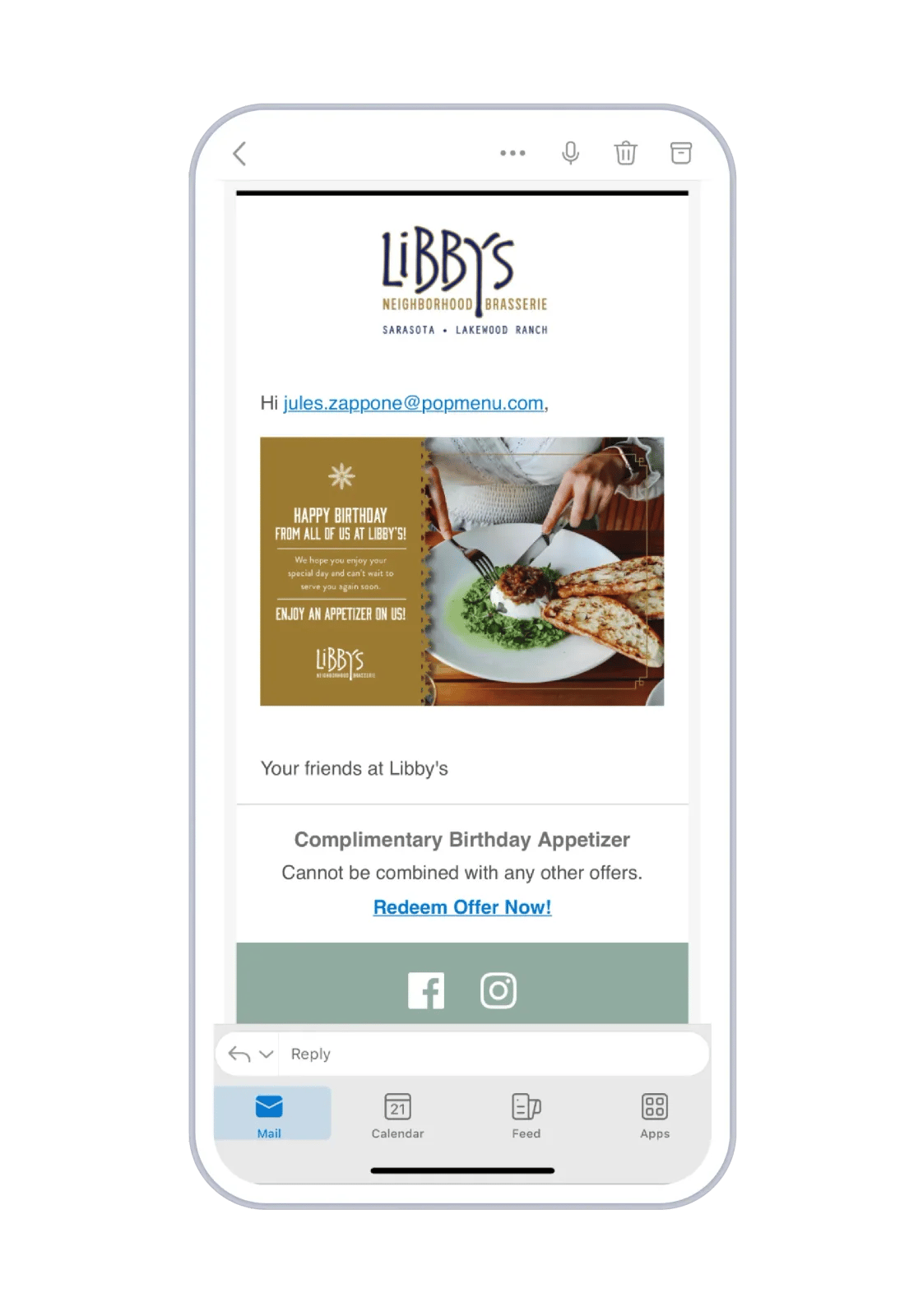
The restaurant replaced their dollar-based loyalty program with an automated offer for a free appetizer that was already performing well.
They used data to consolidate costs while continuing to engage and reward guests.
Focus on quality over quantity
Libby’s evaluated the number of emails regularly being sent to guests and found they could send fewer emails without impacting open rates or marketing revenue.
They used data to be more mindful about the frequency of guest outreach without compromising revenue.
Ingredient 02
Automate Whenever You Can
Lean on automation whenever possible. Most operators are strapped for time — so the more you can put on autopilot, the more marketing gets done without adding to your plate.
of restaurant owners say they spend 3 hours or less on marketing per week
Automate data capture
We know the importance of guest data, and we showed examples of how it can be collected. We also hinted that data capture can be made easy with automation — here’s how:
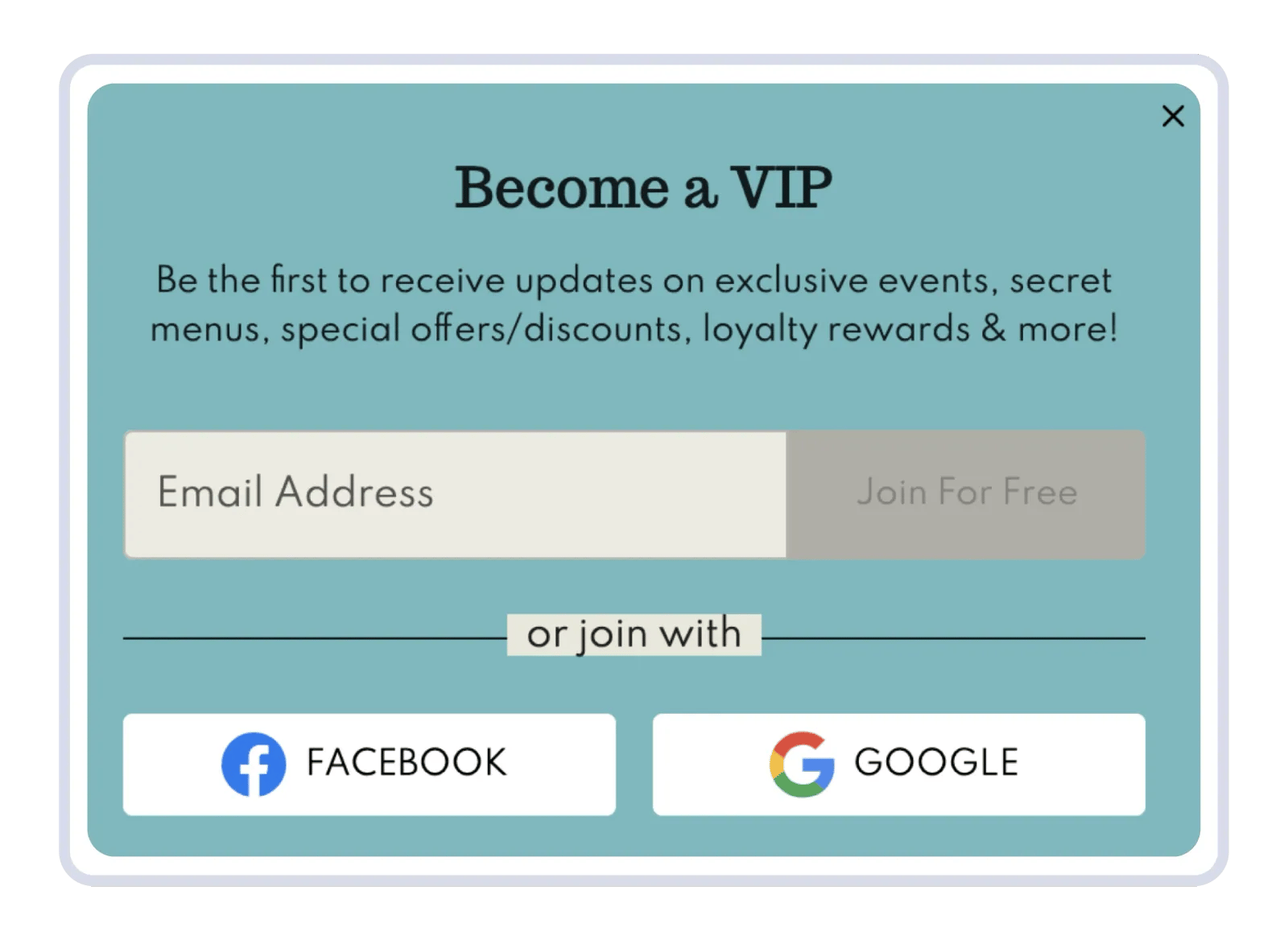
VIP popup
Create a VIP popup on your homepage that promotes the benefits of signing up. You can even sweeten the deal with a one-time offer like 5% off their first order!
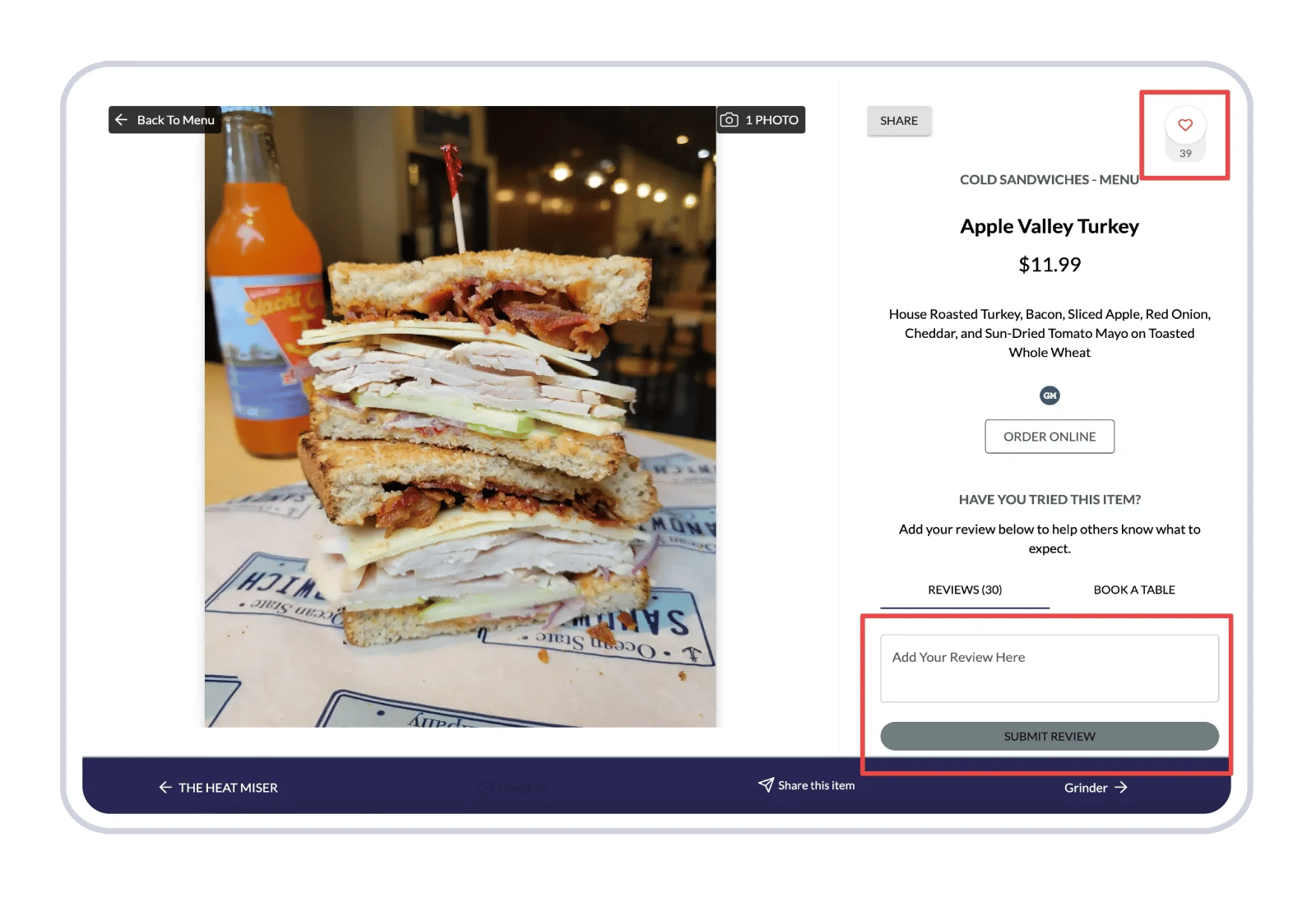
Interactive menu
With a dynamic menu, every interaction a guest makes with a dish — a like, a review or a reminder to try — automatically prompts a VIP follower sign-up.
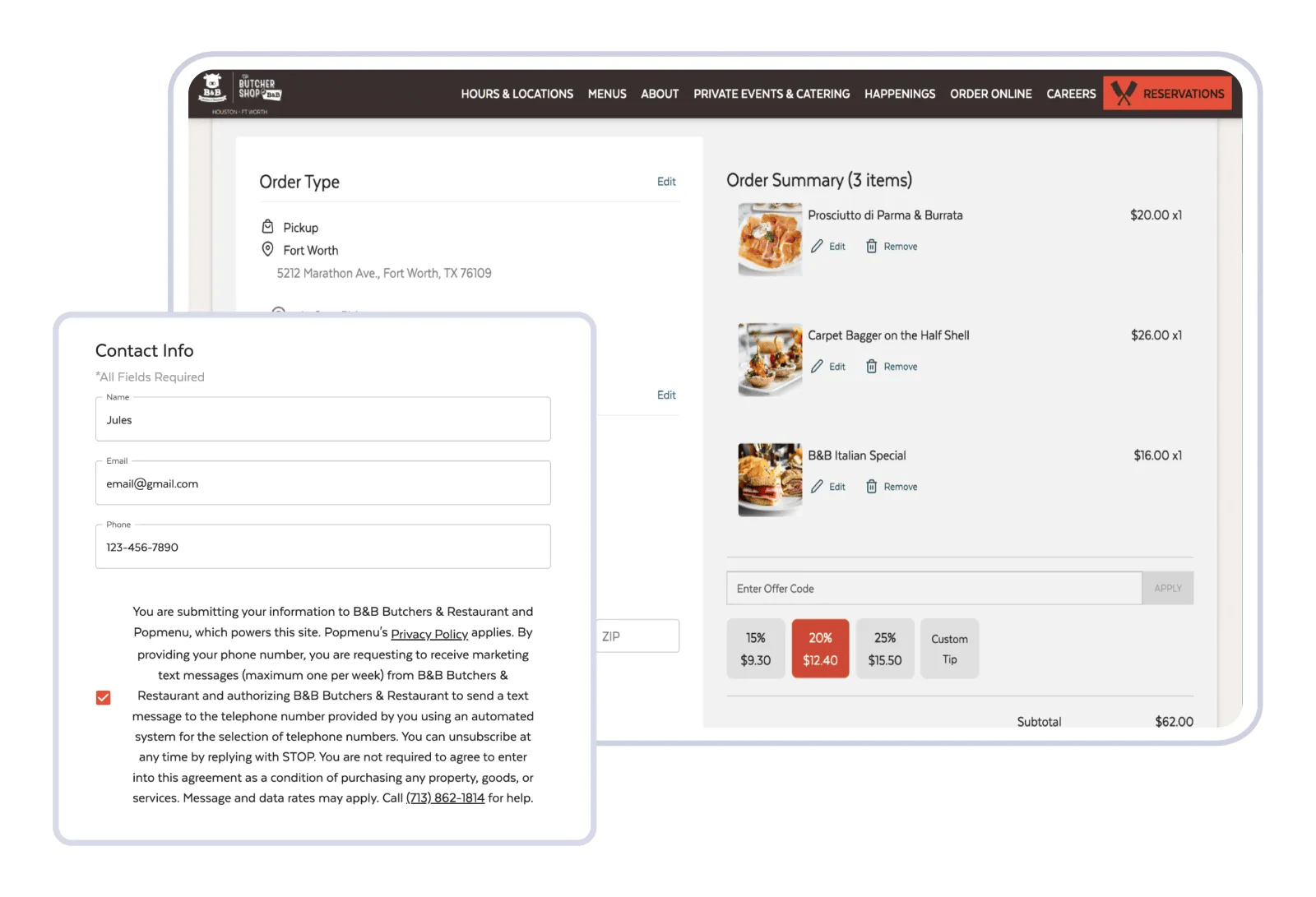
Online ordering flow
The online ordering process is a great place to grab an email and phone number for marketing down the line. Guests automatically become followers when placing their first order.
Automate emails
How do you know what to send? Or when to send it? Think about what happens after you make a purchase online — a “thank you” email lands in your inbox, then two days later another gently nudges you toward your next purchase. Those emails are automatically triggered by your browsing and purchase behavior, and the same can work for restaurants.
Your marketing tools use guest data (like new VIP signups, dish likes and past online orders) to send personalized emails automatically — so every new follower gets a proper greeting, every order is followed by a reminder to leave a review, loyal guests earn rewards and lapsed guests get a special offer inviting them back.
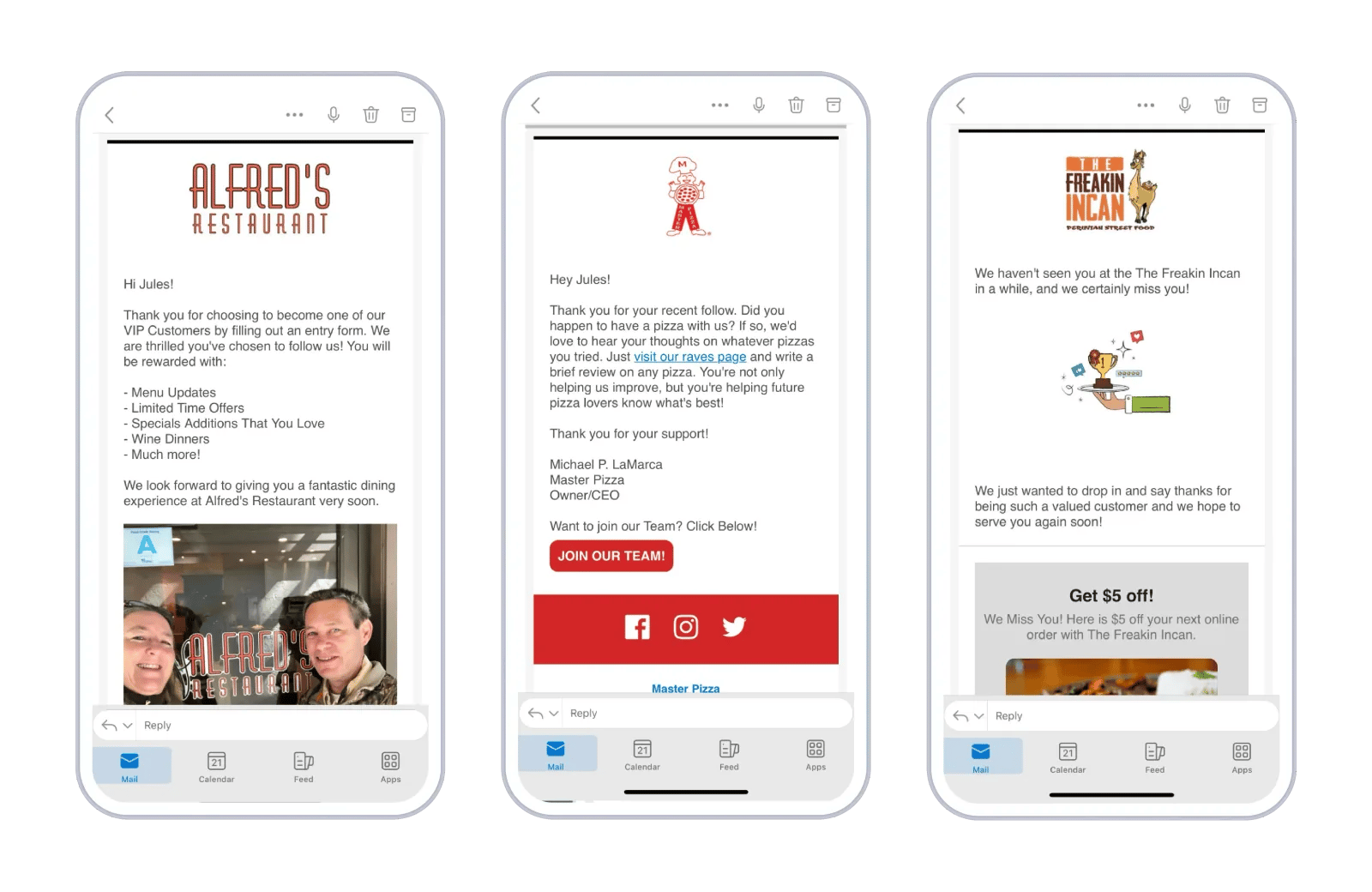

Ocean State uses automated emails to welcome new VIP followers, celebrate birthdays, encourage new reviews and keep guests in the loop — earning real revenue without lifting a finger.
in online ordering netted from their marketing efforts
of it driven by automated emails alone
Automate content creation
Not sure what to post? You’re in good company. Here’s why so many operators skip marketing emails and texts altogether:
of operators never send marketing emails or texts to guests
say they don’t know what message or visuals to use
say they don’t have the time
As the use of artificial intelligence (AI) grows, so do automation capabilities. In fact, AI can actually help build content for you — so you can reserve your creativity for the kitchen.
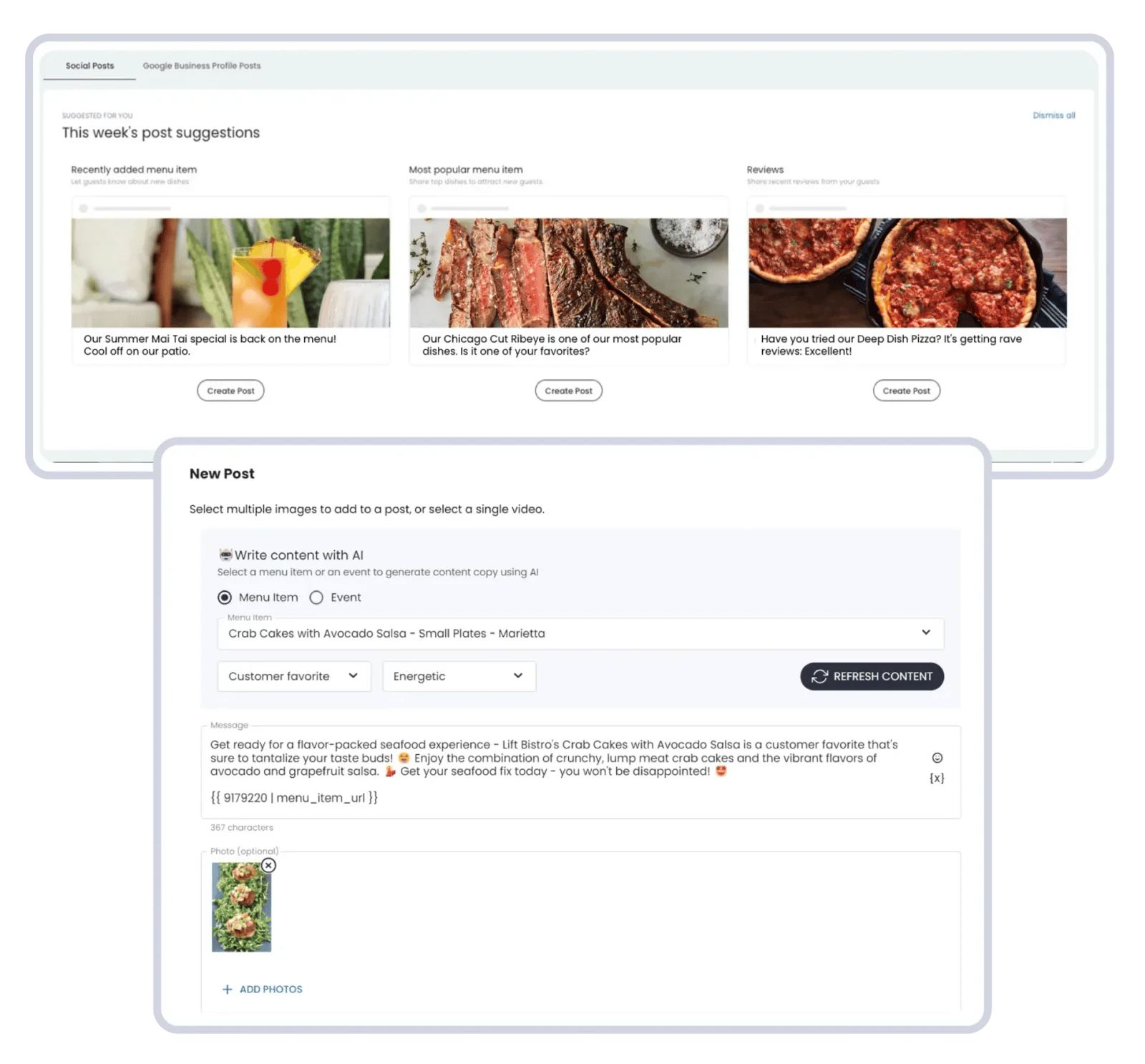
How it works
- AI-powered marketing tools pull from newly posted reviews, upcoming events, popular dishes and recently added menu items to recommend content.
- AI generates (and re-generates) caption recommendations in seconds.
- All that’s left to do is edit (if you want), approve and schedule.
Ingredient 03
Create a Technology Ecosystem
Make the most of your marketing efforts, automate more personalized outreach and be more efficient — all with connected tools. The key ingredient: connectivity.
We know data is the number one driver of personalization, automation and efficiency, but how do you ensure your data is detailed enough? The answer is in the connectivity of your technology. Having a single tool to manage your website, marketing, ordering and more is the secret to elevating your marketing game — it unlocks valuable insights about your guests and paints a clearer picture of which marketing activities are leading to orders, which need a trip back to the kitchen and which should be sent to the chopping block.
The modern day of marketing extends beyond email, text and social media. Use the phone line to highlight events and specials, keep waiting guests engaged and put your website to work.
Ring in more revenue and reservations
What’s one thing most restaurants have in common? A phone ringing off. the. hook. Tech-savvy restaurants are leaning on automated answering services to handle the influx of calling guests — and marketing-savvy restaurants are using automated phone answering as an additional marketing channel.
Popmenu AI Answering allows us to tell those new menu item stories, new promotional items stories, and features that we’re doing at the store.

Turn phone calls into marketing opportunities
With custom greetings and responses, you can answer the questions guests ask most — while highlighting upcoming events, special offers and new dishes, and sending links to revenue-driving actions like reservations, online ordering and waitlisting.
- Is your patio open?
- Do you have live music tonight?
- Can I place an order?
- How late are you open?
Stop wasting your wait time
Your waitlist should do more than just organize a list of names. A good digital waitlisting tool helps capture guest data, encourages engagement and upsells, increases table turnover and drives more reviews to the menu (more data, hello!).
The best part? Almost all of it is automated, triggered by a few keystrokes from your host stand.
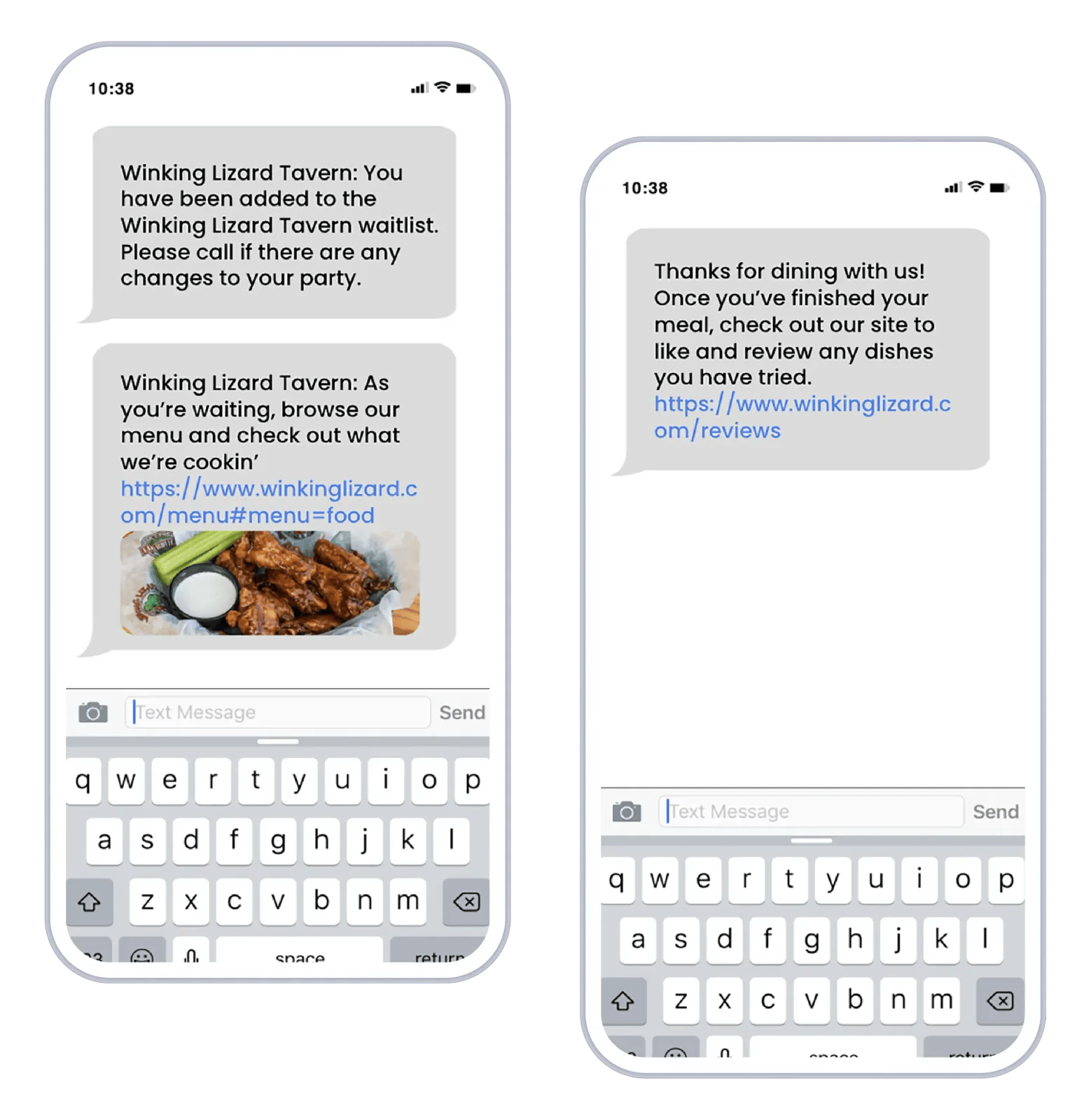
Our guests really enjoy the digital waitlist — it definitely helps keep them engaged while they’re waiting for a table. Guests are texted a link to the menu while they wait so they can browse beforehand, and then they’re texted again after they’re seated, encouraging them to leave a review. We’ve seen a major increase in reviews from that.

Your website is the SEOcret sauce
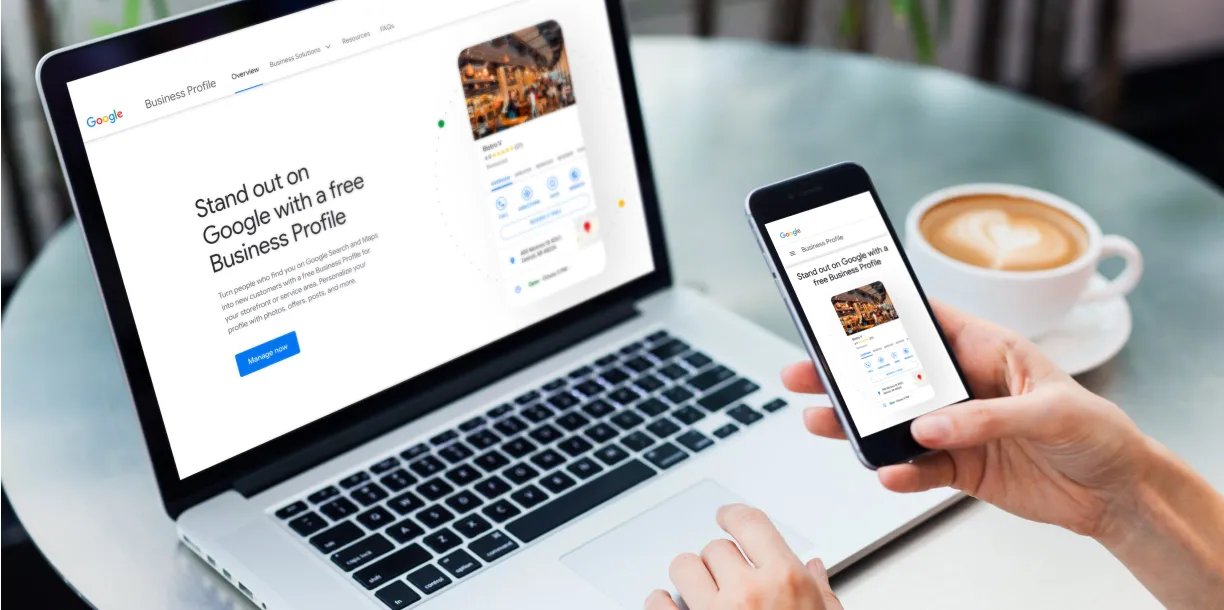
The website is often overlooked as a marketing tool — but when it comes to capturing new guests straight from the search bar, your website is key. Yep, we’re talking Search Engine Optimization (SEO): what influences your website’s position on results pages when guests search for things like “best pizza in Hayes Valley.” Optimizing for search helps your restaurant attract more people who are more likely to order.
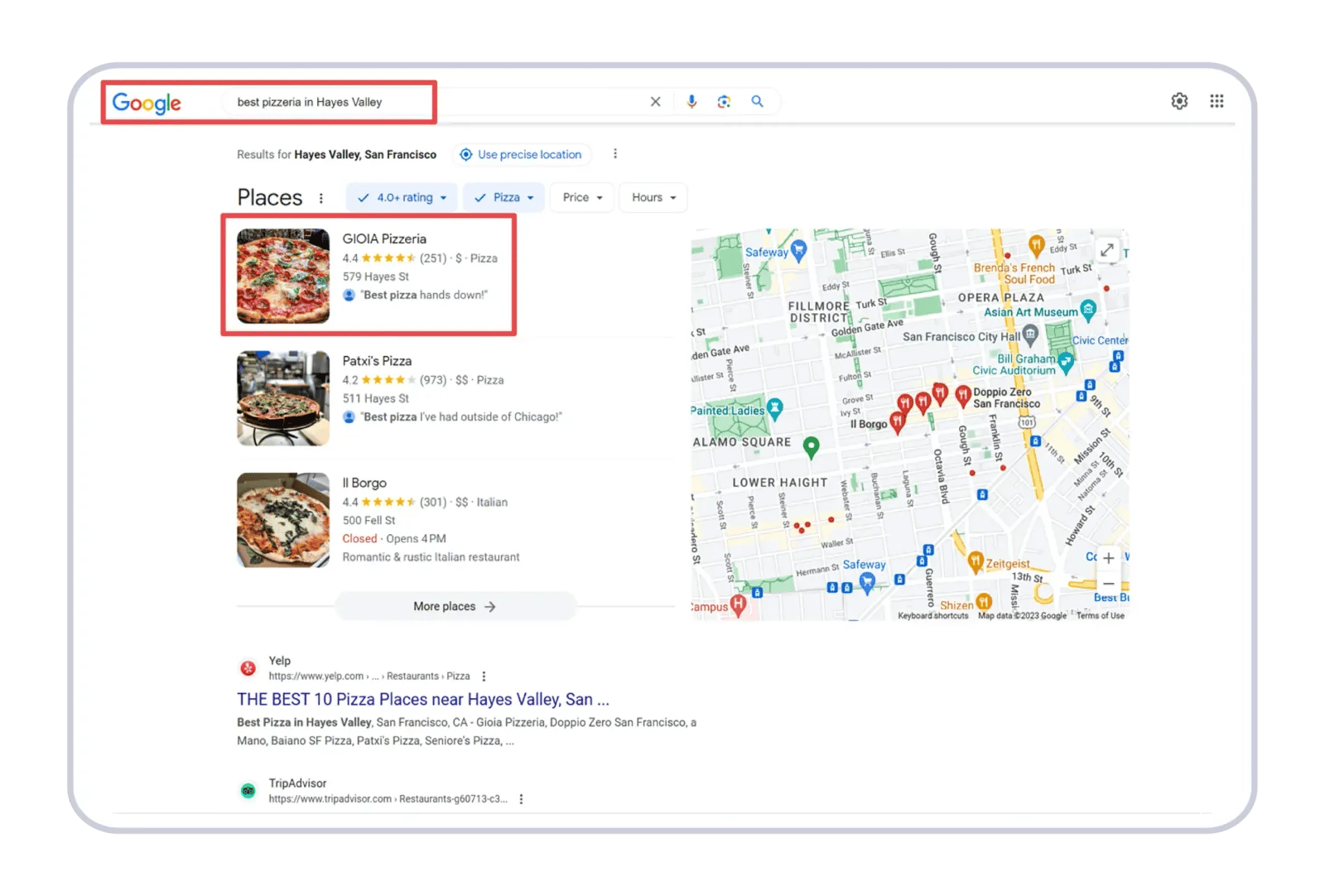
Made to Google’s order
You won’t reach the top of search results overnight — it takes time, engagement and persistence. But there are key factors that help your website rank:
- Provide a mobile-friendly experience
- Highlight key information like hours and location
- Host different types of content (i.e., images, text, links)
- Stay up-to-date with fresh information (e.g., new reviews, menu updates)
Websites that check all these boxes usually rank higher, attracting more guests — all without cutting into your time or spending a dime.
The website helps showcase the menu items we are most known for, and we continually create new content on the site with the dynamic menu. We currently do not invest in any paid advertising, so the SEO-driven website helps us gain more visibility in our market.
About Popmenu
As a leader in restaurant technology, Popmenu is on a mission to make profitable growth easy for all restaurants. Digital marketing, online ordering, and on-premise technologies headline a powerful product suite infused with artificial intelligence (AI), automation, and deep data on guest preferences. The company consolidates tools needed to engage guests, serving as a digital control center for more than 10,000 independent restaurants and hospitality groups in the US, UK, and Canada.
Win bigger with Popmenu.
The form didn't load.
Open the form in a new tab →