POPMENU INDUSTRY REPORT
UK Restaurant Dining Trends to Watch: Guests Tell All
Household budgets across the UK are under real pressure and that pressure is showing up directly in dining decisions. UK consumers are more discerning about where they eat—prioritising restaurants with engaging digital storefronts, affordable options, and a little VIP treatment. The majority are good with operators using artificial intelligence (AI) to provide better, faster service.
So what actually gets them through the door—and what makes them come back?
This report, based on a study of 600 UK consumers from 31 August to 3 September 2026, explores current dining habits, preferences and expectations for restaurants. Most importantly, it shows how operators can win more business at every stage of the guest journey, from the first online search to the next visit.
The good news? The gap between eateries that get this right and those that don’t has never been more obvious—or more closeable.
Guest Spending
How UK consumers are spending and where they’re pulling back
UK consumers spend 25% of their monthly food budgets on restaurants, on average. Nearly two-thirds dine in person or order out at least once a week, but 69% say they’re spending less than they were a year ago.
of monthly food budgets spent on restaurants, on average
dine out or order in at least once a week—24% do so twice a week or more often
are cutting back on restaurant spending compared to last year
Which daypart feels the pinch the most?
When consumers cut back, dinner bears the brunt—but no daypart is immune.
How are they making their money go further?
More than half of consumers are choosing less expensive menu items. More than a third are reducing spend on beverages while others are dialling back on delivery and full mains.
The Guest Journey
What makes guests select one establishment over another?
The battle for a guest’s attention starts long before they walk through the door. Today, the restaurant experience begins online—and the right digital touchpoints can be the difference between being chosen and being overlooked.
The UK dining market is as competitive as we've ever seen it, and guests are making sharper decisions about every pound they spend. What our data makes clear is that restaurants that show up where guests are searching, give them a visual experience to say yes, and then stay genuinely connected after the meal—those are the ones that thrive. It's not about having the biggest marketing budget. It's about using simple tools to keep guests engaged.

Three-in-four UK consumers (77%) say technology makes their guest experience better:
makes it more convenient
makes service more accurate
makes service faster
makes it easier
Here’s what tips the scales for each step of the customer journey:
Step 1 of 4
Guest starts searching.
Be visible.
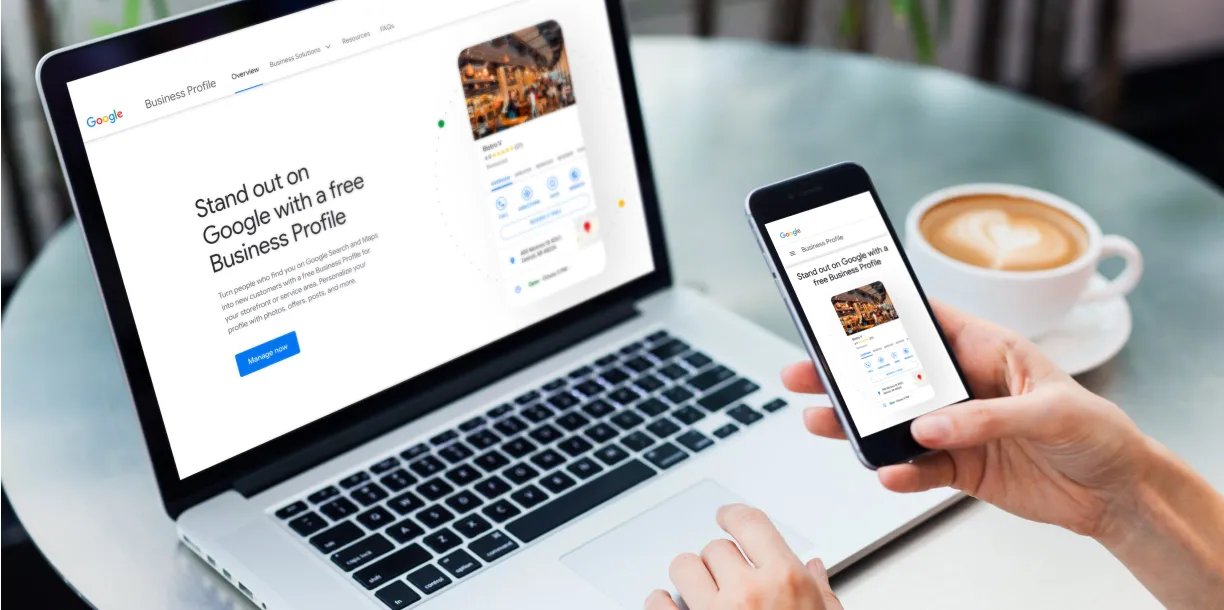
Before a guest can choose you, they have to find you. And they’re not just using Google anymore. Nearly 1 in 5 consumers now lean on AI answer engines like ChatGPT, Google Gemini or Perplexity to discover restaurants. If your menu and information aren’t AI-readable, you’re invisible to a growing share of guests.
If you don't look after the digital side of things, you'll be invisible. Having a really good menu and a good digital presence, that is where the game is won and lost.

Step 2 of 4
Guest compares and chooses.
Be visual.
You’ve got seconds—not minutes—to make an impression. With so many options at their fingertips, 1 in 4 guests spends 30 seconds or less looking at an online menu. Menus that are highly visual, mobile-friendly, and well stocked with reviews and other delicious details get chosen more often.
more likely to choose a dish with photos versus plain text
want to see videos of dishes on the menu
want to see reviews on each dish, not just the restaurant overall
want an online menu that’s easy to view on mobile
look for unique dining experiences
want nutritional and allergen information on the menu
Be budget-friendly.
With budgets tight, guests gravitate towards restaurants that offer special discounts and loyalty incentives. They’re also likely to spend more if they feel they’re getting a good deal:
more likely to choose restaurants with discounts and special promotions
tend to place a larger order if there is a discount
more likely to choose restaurants with loyalty rewards
Sending an offer encourages people to buy in periods they normally wouldn’t. It’s helped grow our midweek sales.

Step 3 of 4
Guest orders.
Be easy to do business with.
The moment a guest decides to order, friction is your biggest enemy. Clunky ordering experiences don’t just slow a sale—they send guests elsewhere.
order restaurant food on their mobile device most often
are more likely to choose a restaurant with easy online ordering on its own website
are less likely to order if the menu doesn’t have photos or reviews
are less likely to order from a restaurant if they have to go to a third-party and pay a higher fee
of guests are ok with restaurants using AI to make service faster and more accurate—a clear signal that tech-forward approaches are welcomed.
Step 4 of 4
Guest becomes a lifelong fan.
Be attentive.
The guest journey doesn’t end when a meal is finished. The restaurants that stay top of mind with regular, well-timed messages that are tailored to each guest’s preferences are the ones that win repeat business.
would sign up for a restaurant’s mobile app to order and receive rewards
of consumers are willing to share their contact info with restaurants to receive special promotions and other news
expect emails and texts to be personalised
want to hear from restaurants they like at least once a week
For us, loyalty is really about staying connected with our guests. Automation helps with that. Every week, we put photos of our burgers in front of guests with personalised messages. We stay top of mind. They stay hungry.

Every visit has to earn its place.
UK consumers haven’t fallen out of love with eating out. They’re simply being more selective about where they spend. Every visit has to earn its place in the budget. The restaurants that make that decision easy, with great value, a seamless experience and reasons to come back, are the ones that stand out.
For operators, it’s about making every step of the guest journey count. Be easy to find on Google and AI, give people a reason to choose you online, make ordering effortless, deliver value without compromising quality, and use what you know about your guests to make them feel recognised. In today’s market, these aren’t extras. They’re the essentials for earning attention, visits and loyalty.